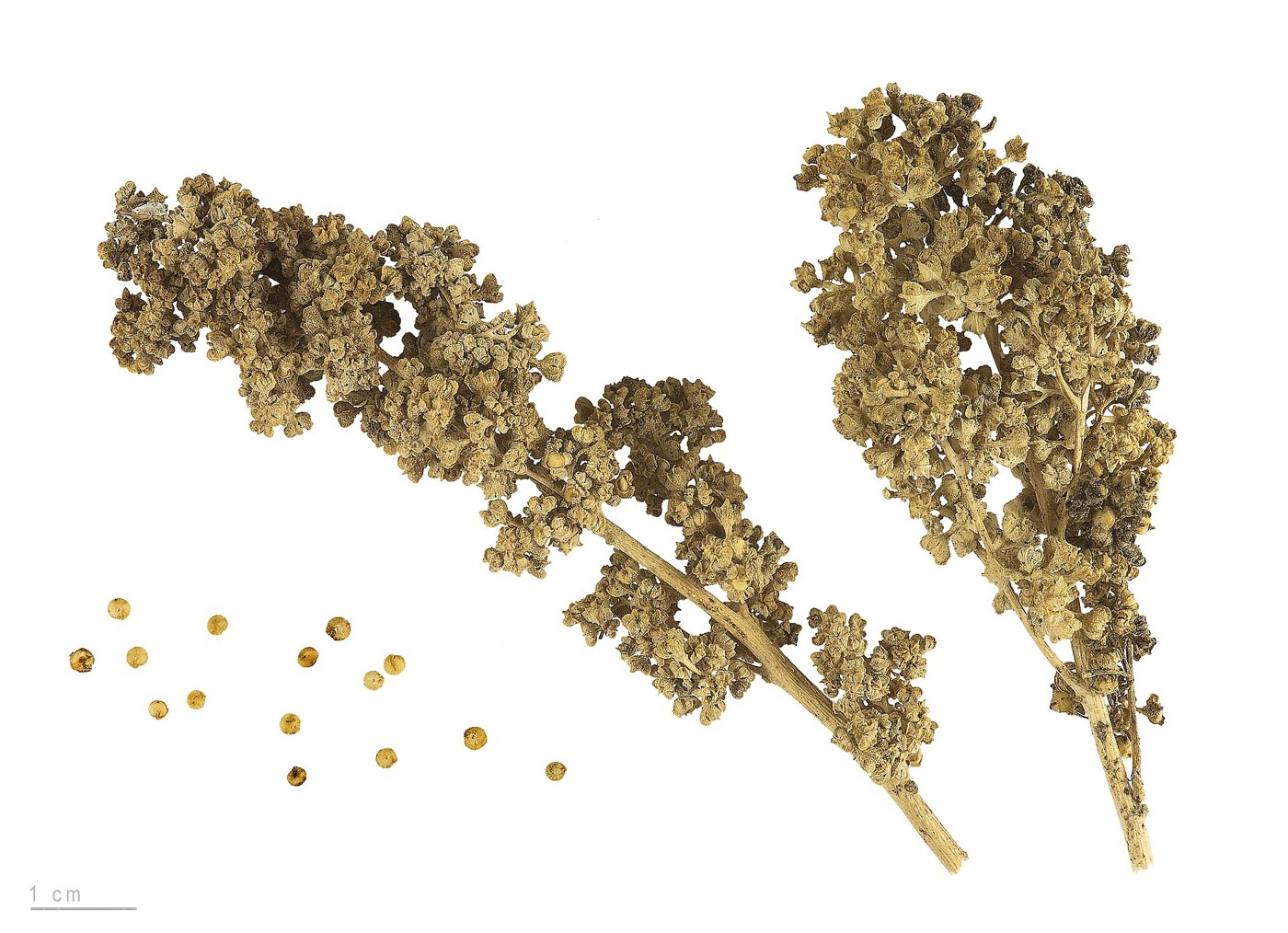

Quinoa may appear in a salad, soup, filling, or dough. That range of uses is more interesting than treating it as an exceptional ingredient that improves every meal. To understand its place in northwestern cooking, ask which form was used and what role it plays: texture, body, accompaniment, or part of a mixture.
One ingredient, several forms
Alimentos Argentinos places quinoa among Andean crops and describes several culinary uses. Although often cooked in ways resembling a grain, it is classified as a pseudocereal. That category helps explain the ingredient without establishing the suitability of every product made with it. A quinoa dough may also contain wheat, milk, or other components.
Whole seeds and flour
When served as whole seeds, notice how it combines with liquid or vegetables. A loose salad texture has a different purpose from a thick soup. Preparation and water proportions affect the outcome, but a diner cannot reconstruct the entire method from appearance. If a texture interests you for home cooking, request guidance or an identified recipe rather than guessing every step.
Quinoa flour contributes to another set of preparations. It can be included in breads or doughs alongside other flours. Do not assume the ingredient highlighted on a menu is the only one, or that a quinoa cookie has a predictable composition. Reading a list or asking the producer is particularly important when a specific dietary need is involved.
Origin and use
At a market, distinguish the sales location from the production location. A packet bought in Jujuy does not prove the quinoa was grown in that province. Asking about origin and producer can clarify the supply chain when information is available. Check packaging integrity and preparation and storage instructions too, instead of relying on an artisanal-looking presentation alone.
A useful cooking idea to bring home is recognizing when quinoa contributes a distinct texture and when it works within a combination. Comparing these uses provides more understanding than searching for one definitive dish. Quinoa can belong to established traditions and new proposals at the same time, without each version having to represent all Andean food. That openness makes the ingredient easier to appreciate on its own terms.