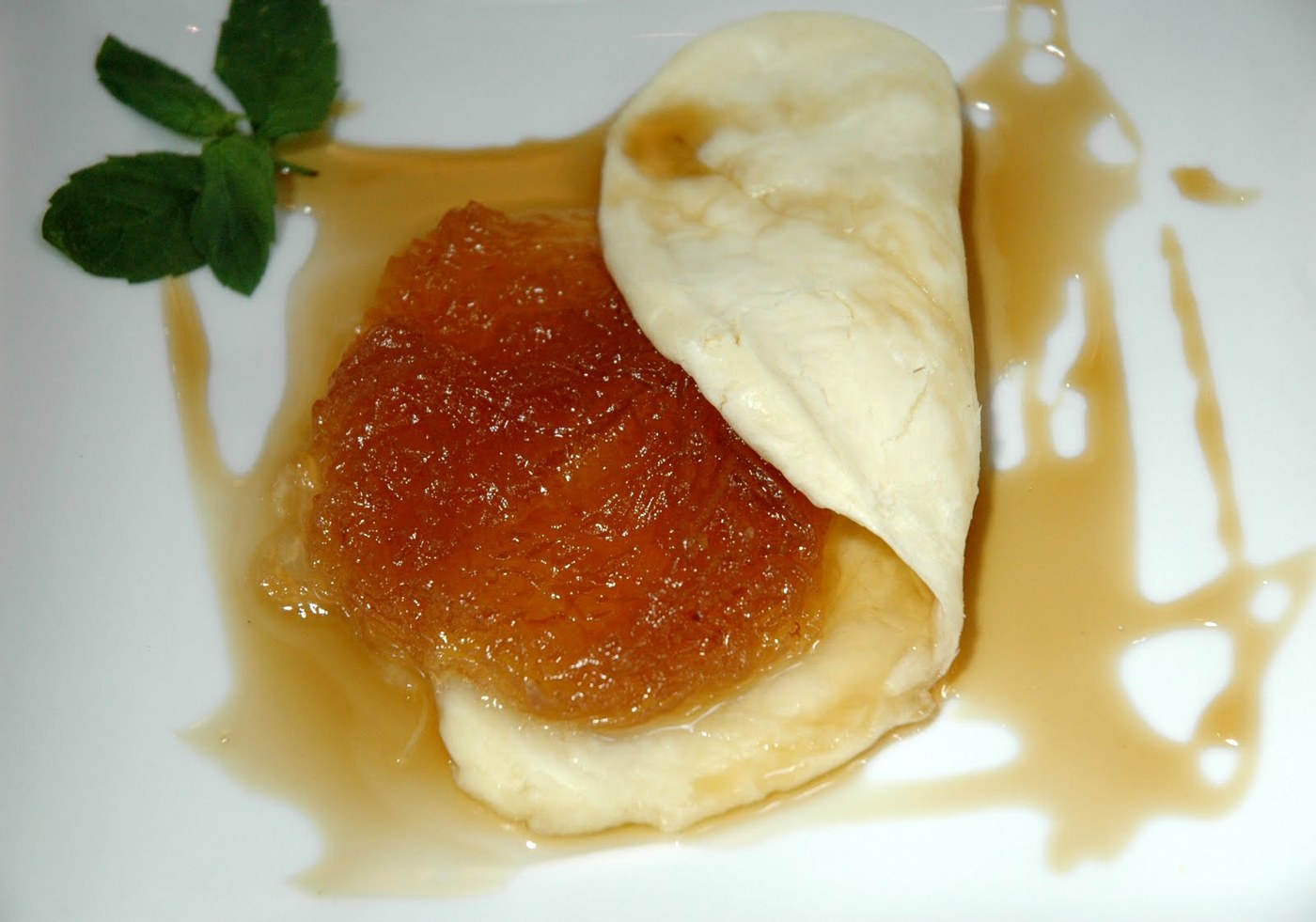

Quesillo may arrive alone, with a preserve, or under a syrup that changes the balance of the dish. Its texture and elongated form distinguish it from a firm cheese cut into cubes, although presentation varies. To recognize it during a trip, separate the cheese from its accompaniment instead of assigning the dessert's entire flavor to one name.
Separate the ingredients
Tucumán Turismo describes quesillo made with cow or goat milk and served with arrope or cane syrup. That reference cannot establish the composition of a particular piece. If milk type matters, ask. Do not confuse miel de caña with bee honey either. A shared word in Spanish does not make the two products identical.
When possible, taste a small bite of cheese without its topping first, then compare it with the accompaniment. This distinguishes the quesillo's texture from the syrup's sweetness and density. If walnuts or other additions appear, notice the contrast they create. One serving may bring together several production traditions without every ingredient coming from the same place.
Presentation and storage
Serving form also matters. Rolled, cut, or spread-out quesillo can provide different proportions in each bite. You do not need to declare one presentation the most correct to appreciate those differences. Asking how this kitchen usually serves it can open a conversation about family preferences while leaving room for other versions elsewhere.
For takeout, request information about production, storage, and the producer's stated keeping time. Fresh cheese needs appropriate handling; attractive wrapping cannot replace that information. If many hours on the road will prevent suitable storage, enjoy it where it is served or choose another souvenir. Do not decide from smell or appearance that it can tolerate every kind of journey.
Name the combination
Record the combination you tasted and any origin that was confirmed. Quesillo with a particular fruit arrope describes the experience better than simply calling it a typical northern dessert. Precision helps you recognize differences at another table without turning a regional preparation into one universal formula. Sometimes mentally separating cheese, topping, and extra garnish is enough to reveal a dish that initially seemed very simple.