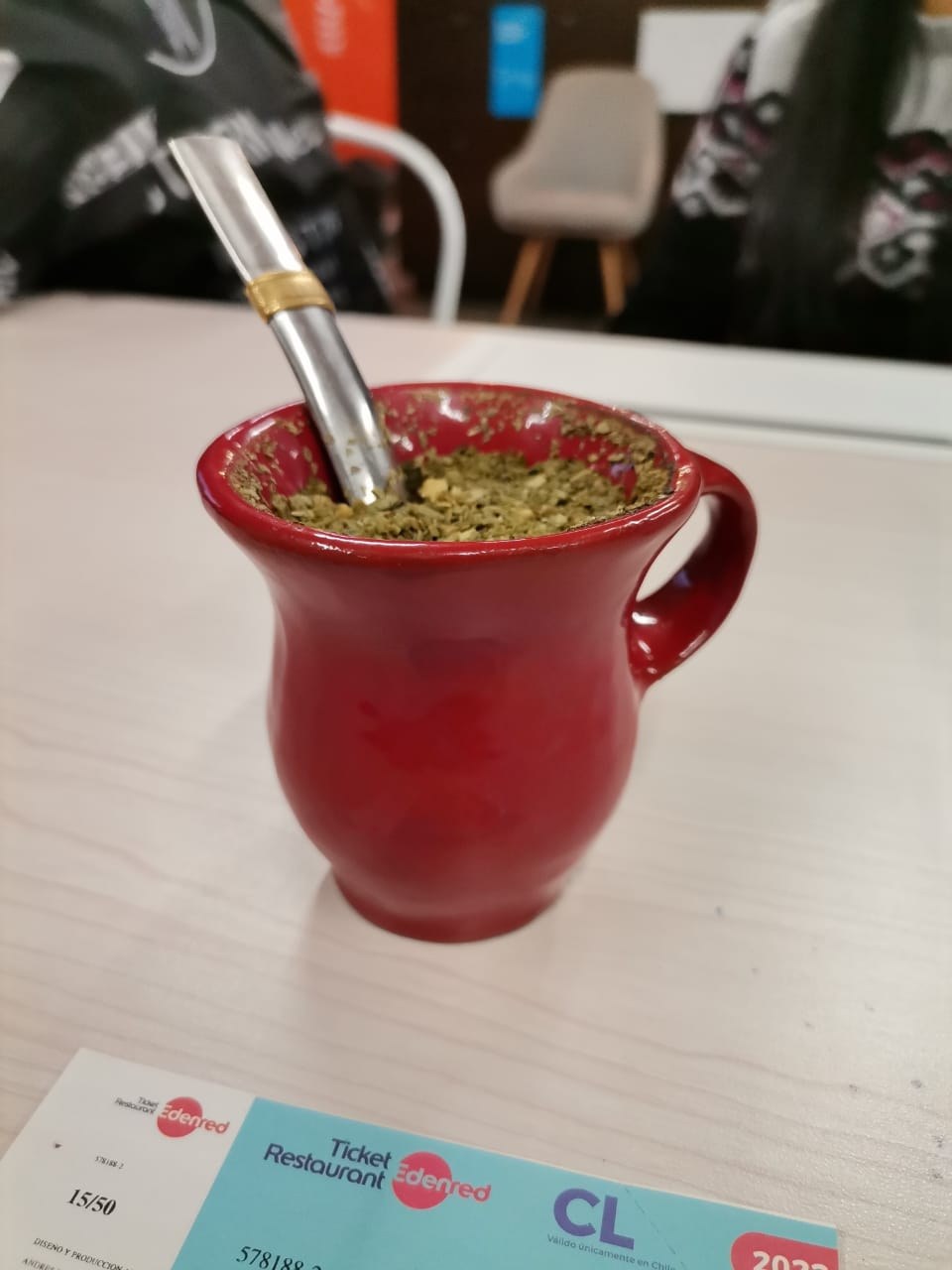

Mate may appear during a wait, a conversation, or a break from work. For visitors to northern Argentina, it belongs to many everyday scenes, but it is not exclusive to that region. Nor does everyone drink or share it in the same way. Curiosity works better than memorizing a rigid list of supposedly national rules.
Where it is drunk and where it comes from
Argentina's cultural heritage inventory describes yerba mate consumed individually or in a group, with one person preparing and serving successive turns when shared. Yerba's history connects with Guaraní peoples, while Argentine cultivation is concentrated in the northeast. This distinction prevents confusing the place where a drink is consumed with the region producing its main ingredient.
Accepting or declining
If invited, ask how the particular group usually does things. Waiting until the vessel is offered and returning it to the person serving generally lets you follow the exchange without reorganizing it. Do not move the bombilla straw or add ingredients on your own initiative. The person preparing the mate can explain how they manage water flow and the flavor they prefer.
You may also decline or prefer an individual vessel. There is no need to justify that choice by criticizing the practice. A simple “thank you, not this time” leaves conversation open. Sharing time does not depend on sharing utensils, and customs can accommodate different preferences and needs without making the encounter less meaningful.
Preferences and objects
Unsweetened and sweet mate are not the only possibilities, but additions should be discussed. An unfamiliar herb should not be accepted as a treatment on the basis of an informal explanation. If you have personal guidance concerning caffeine or other substances, use it when deciding. Cultural description does not replace appropriate information for a specific health need.
When buying equipment, ask about the vessel's material, cleaning, and care. A gourd needs different attention from a container made of another material, and decoration does not explain use. The most elaborate set is not necessary to remember a conversation. Sometimes the useful lesson is simpler: recognizing the pace of a round and joining without expecting an everyday practice to become a demonstration for visitors.