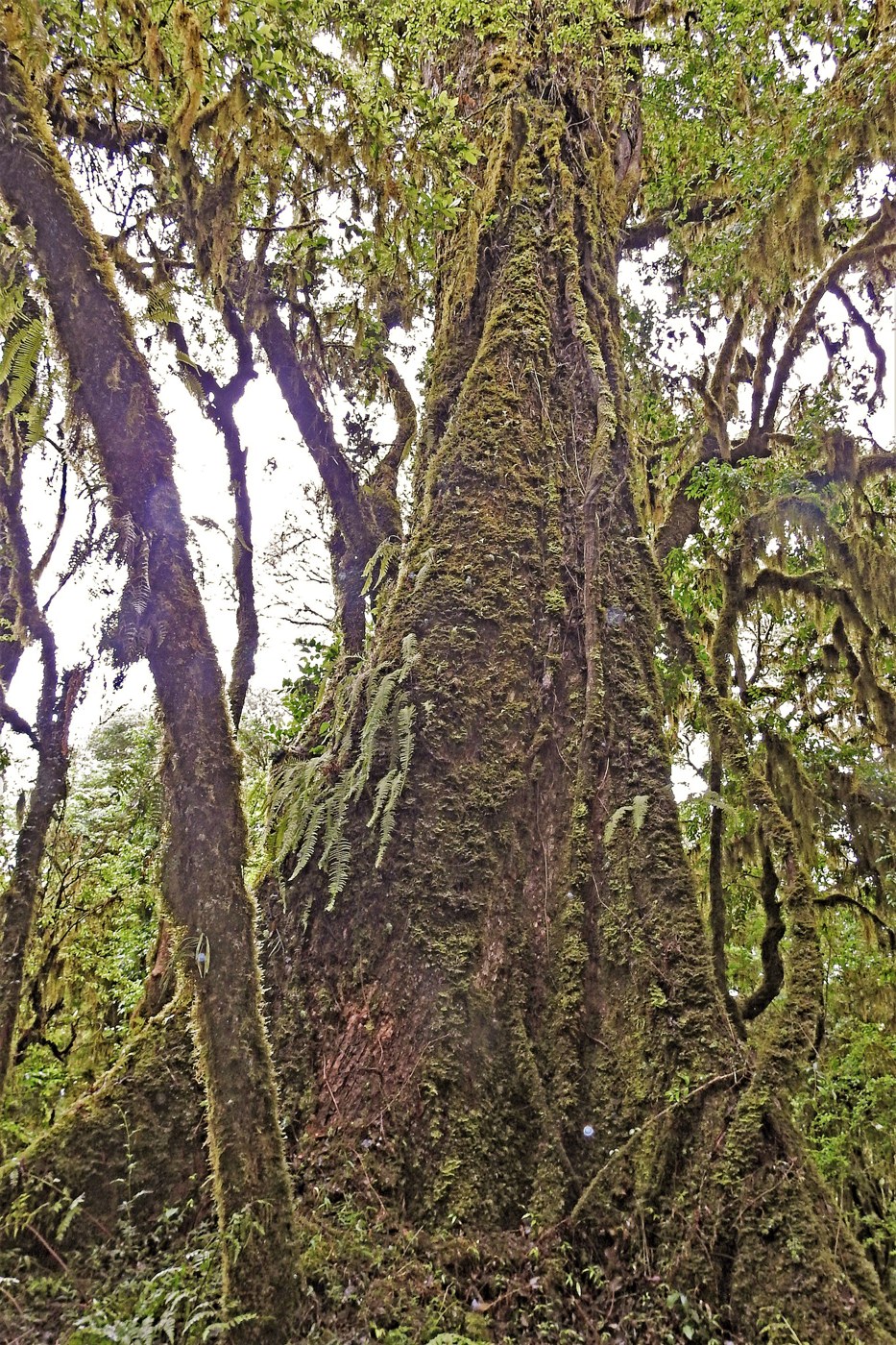
Baritú protects Yungas forest in northern Salta near Bolivia. Its location and access conditions make it quite different from an interchangeable day trip to another northwestern park. Before imagining a walk, travelers need to establish how they will arrive, which areas can be visited, and where they will stay. That preparation does not diminish the place. It helps explain that conserving a forest and making it easy to explore are separate matters. A park can have exceptional value without providing a straightforward outing from a nearby city.
Conservation and wildlife expectations
The biodiversity information system emphasizes protection of forest, rivers, and threatened species, alongside relationships with Indigenous communities. That combination matters more than a list of animals a visitor hopes to see. A documented species presence demonstrates conservation value, not a guaranteed chance of encountering it on a walk. In dense vegetation, noticing tracks, listening to sounds, or recognizing changes in plants can provide a substantial experience. There is no need to pursue wildlife in order to prove that the forest is alive or that a visit has succeeded.
An approach involving an international border
The approach published by National Parks passes through Bolivian territory before returning to Argentina toward Los Toldos. Preparation therefore includes checking current requirements for travelers and vehicles as well as arranging transportation. Do not assume that a journey between two Argentine locations avoids border formalities. If renting a car, explicitly confirm the company's cross-border conditions. It is also unwise to rely on an informal sequence of rides without arranging the final section and the return. Lines connecting places on a map do not demonstrate that regular passenger services connect them.
Los Toldos is not the end of the approach
Los Toldos is a reference point for information, but reaching it does not complete the approach to the park. The continuation toward Lipeo and Baritú has different conditions and can be affected by rain. The administration requires visitors to register before entering. Contact it directly about the route and available visitor areas for your intended dates, then adapt the itinerary to its response. A historical road description or another traveler's past itinerary does not confirm that the same journey can be repeated under today's conditions.
A forest with human relationships
The cultural dimension should not be reduced to a passing reference to traditions. Settlements and livelihoods are connected with the territory, and a visit should respect workplaces, homes, and local arrangements for receiving guests. If a community experience is offered, ask who organizes it and what it includes. Conversations, photographs, and entry onto properties require specific agreements. Protected forest is not a stage separated from all human history, and people living around it are not part of a permanent tourism display available without discussion or consent.
Choosing the park for the journey possible
To decide whether Baritú fits your trip, first consider the time available to coordinate access and remain in the area. If you want only a brief introduction to Yungas forest, compare alternatives with authorized walks suited to that objective. Nearby El Nogalar de los Toldos National Reserve is a separate protected area with its own identity and conditions, not an automatic substitute. Choosing precisely allows Baritú to be valued without turning difficulty into a feat of adventure or promising a visit that available information does not yet make possible to organize.