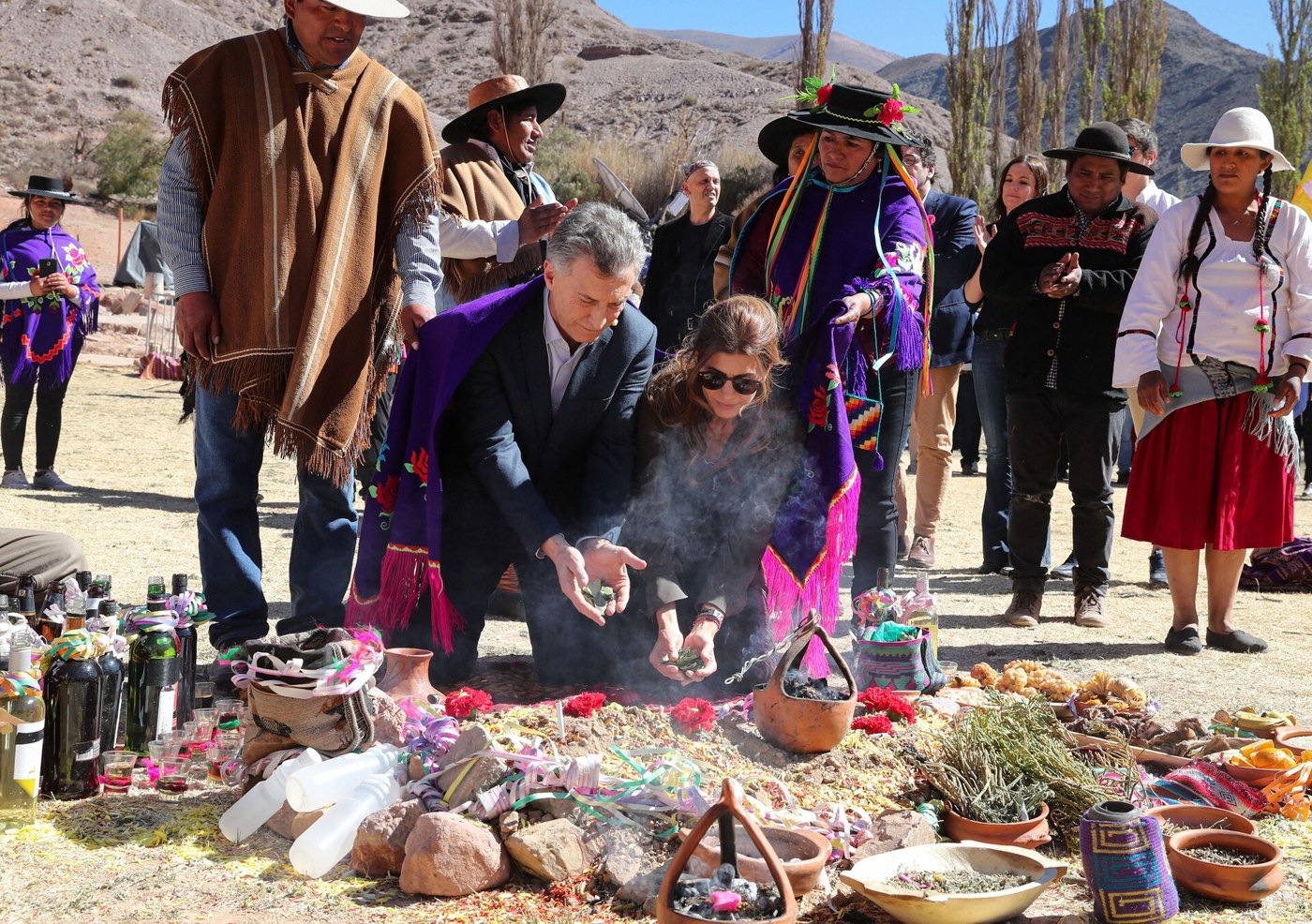

A tourism announcement may advertise a Pachamama celebration without explaining what role a visitor has within it. Some activities are public; others belong to families or communities. The distinction matters. Seeing something take place is not the same as being invited to participate, photograph, or intervene. Before building a trip around a ceremony, establish who organizes it and how they wish to receive other people.
There is no single form
Jujuy's cultural information connects August practices with gratitude, reciprocity, and relationships with the earth. There is no single sequence that represents every family and community. Nor should Pachamama be reduced to an annual event arranged for tourism. Meanings are better approached by listening to the people involved than by comparing every action with an online description.
Accompany an invitation
When an open invitation exists, ask how to accompany the gathering. Watching from an indicated place, waiting, or following a simple instruction may be enough. Avoid bringing offerings on your own initiative to reproduce something seen in a photograph. Materials, actions, and responsibilities belong to the particular context. Good intentions do not replace agreement with the people organizing the encounter.
A camera can alter the relationship even without flash. Ask before recording voices, close portraits, or ritual moments, and explain whether you intend to publish the material. Accept a refusal without attempting to obtain the same image from farther away. Permission for one part does not automatically extend to everything that follows. Participating in a gathering and producing content are different activities.
What we say afterward
Take care with the conversation afterward too. Phrases such as “everyone believes” or “they always do this” turn a situated experience into a rule about people you do not know. It is more accurate to identify who shared an explanation and in what context, without disclosing anything presented as private. Respect includes admitting that some things were not explained or were not appropriate to ask about at that moment.
A journey can introduce these practices without promising a particular spiritual experience. If no suitable public activity is available, a museum, an arranged conversation, or locally produced reading can provide another approach. Missing a ceremony does not make a trip incomplete. Recognizing the boundary between curiosity and invitation is itself something worth learning.