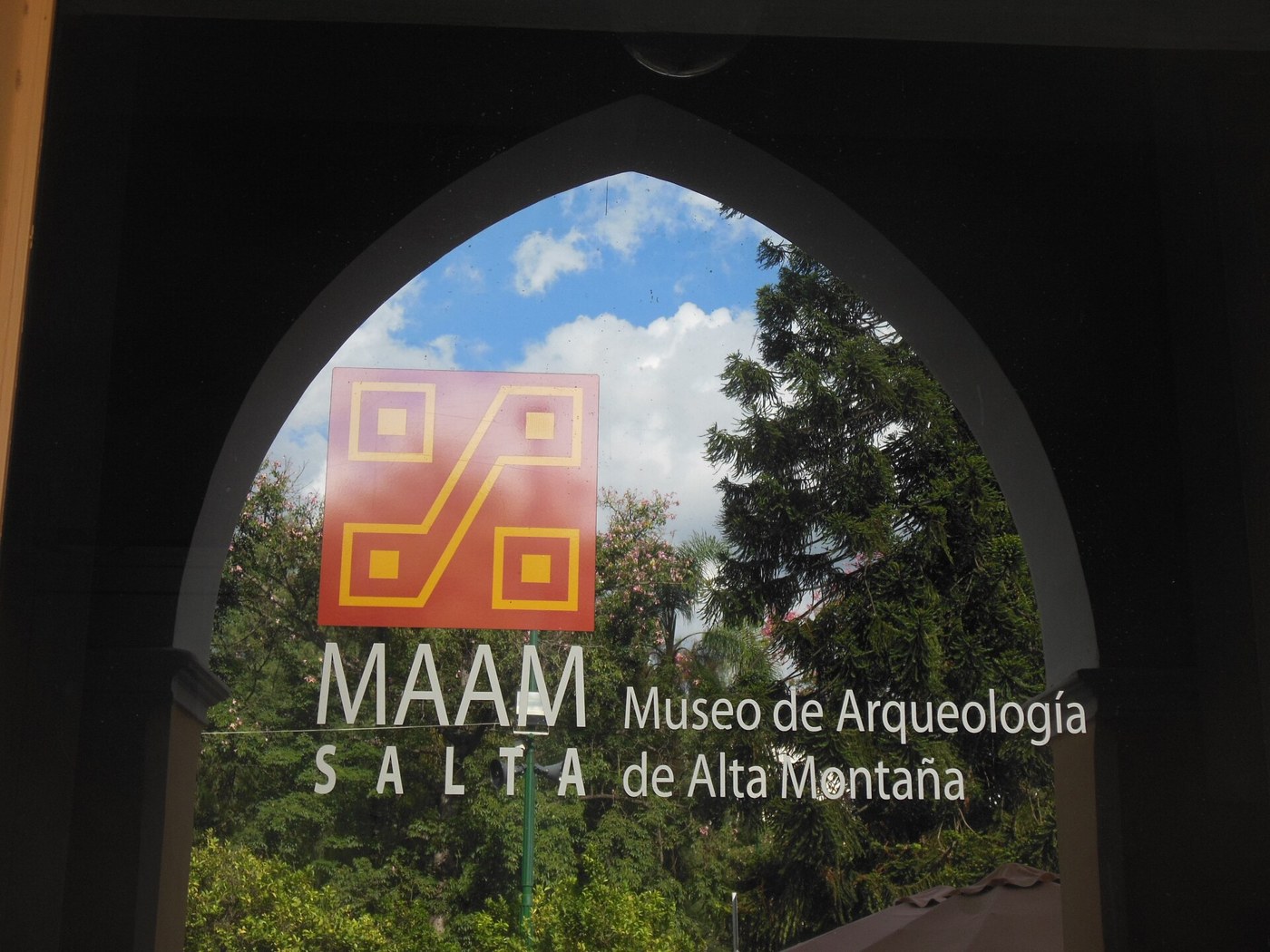

A visit to Salta's Museum of High Altitude Archaeology involves more than deciding which gallery to see first. Its collection includes the human remains of children and objects associated with Inca ceremonies. Knowing this before entering may change someone's decision to visit. That choice is legitimate and does not need to be defended as a lack of interest in history.
Knowing what is displayed
The Llullaillaco collection comes from a 1999 expedition and includes three children together with a ceremonial assemblage. The museum explains its relationship with capacocha and the unusual preservation conditions of the high mountains. Read these facts as context for deceased people and historical practices, rather than an invitation to seek a startling image. The language used when describing the experience afterward matters as well.
Before buying admission or making arrangements, consult the institution's current visitor information and ask whether the display of human remains can be avoided. Do not assume the layout, accessibility, or alternatives always remain the same. If you are traveling with others, discuss the content in advance. Nobody should encounter something distressing only after feeling obliged to keep pace with the rest of the group.
Looking beyond a striking image
The objects offer another route into the collection. Materials, garments, and small figures can raise questions about labor, exchange, and ceremonial meaning. Select one item and read its full identification before imagining its purpose. A recognizable shape does not support every possible story, and a short museum explanation cannot represent all perspectives on an object's past use or present display.
Technical care and the ethics of exhibition are connected but different questions. It is possible to acknowledge conservation work while also asking how communities connected with the heritage participate in its interpretation. Avoid presenting Andean peoples exclusively as a finished chapter of the past. Living individuals and communities have their own voices, which a description of a display case cannot replace.
Each visitor can choose
With children, explain simply what they might encounter and allow them to change their minds. Follow photography instructions and respect visitors who prefer to look quietly. Afterward, discussing what information was missing may be more valuable than listing everything seen. Completing every gallery need not be the goal. A thoughtful visit can instead improve your understanding of the relationship among archaeology, memory, and a visitor's responsibility toward sensitive collections.