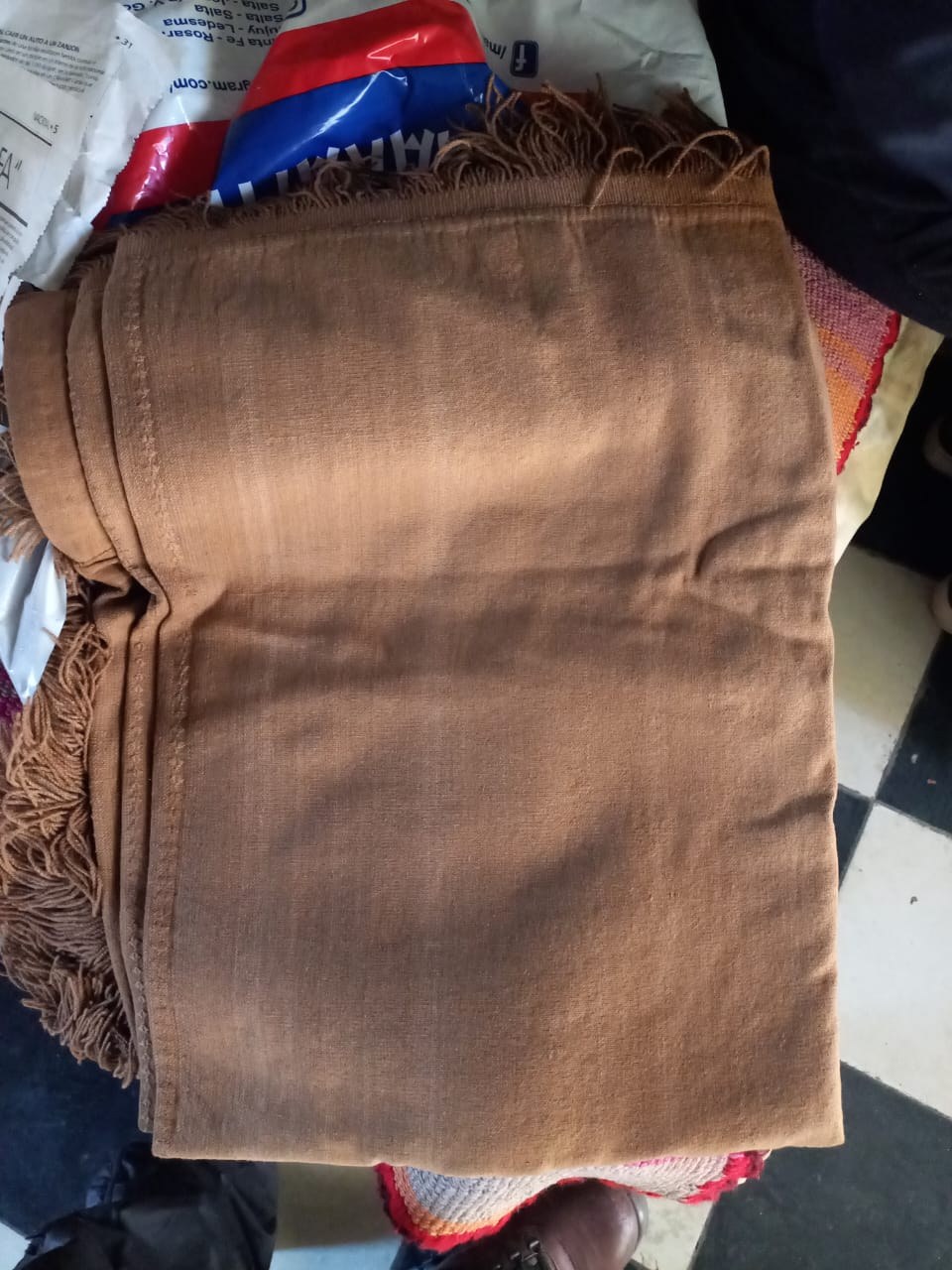

A working loom draws attention through movement, but the quickest part to watch is not always the most time-consuming. Preparing yarn, arranging a warp, and planning a design may require substantial work before the first strip of cloth appears. A workshop visit becomes more meaningful when it considers that full process instead of expecting an immediate demonstration of every stage.
Entering a workplace
First establish whether the space receives visitors and in what format. A production workshop may be open for sales without offering explanations throughout the day. Asking how much time the maker has and whether a visit can be arranged recognizes the work in a concrete way. A loom visible through a doorway does not automatically become an interactive exhibit.
Asking about decisions
To understand the structure, ask which threads form the warp and which make up the weft. Then observe how pattern or texture changes. There is no need to touch the mechanism or move threads for a better view. Tension can matter to the result, and an apparently small intervention may interrupt a task you do not yet understand.
Open questions often produce better answers than an authenticity test. “How do you choose these colors?” or “Which stage needs the most preparation?” allows a maker to explain decisions. Insisting that everything must be done exactly as before can deny the person's ability to innovate. A new tool does not, by itself, erase knowledge passed between generations.
The piece and its story
If buying a piece, distinguish technical discussion from the purchase decision. Ask about dimensions, composition, authorship, and care. Do not assume every object in the shop came from the loom you are watching. A cooperative or store may represent several producers. Keeping this information prevents a later story about direct production that was never actually confirmed.
Photographs of the process also require agreement. Explain whether you want a private memory or images for publication, and respect limits concerning designs or people. Thank the maker for their time without requesting one more repetition merely to improve a frame. You may leave with a clearer understanding of how cloth is constructed even without seeing an entire garment completed.