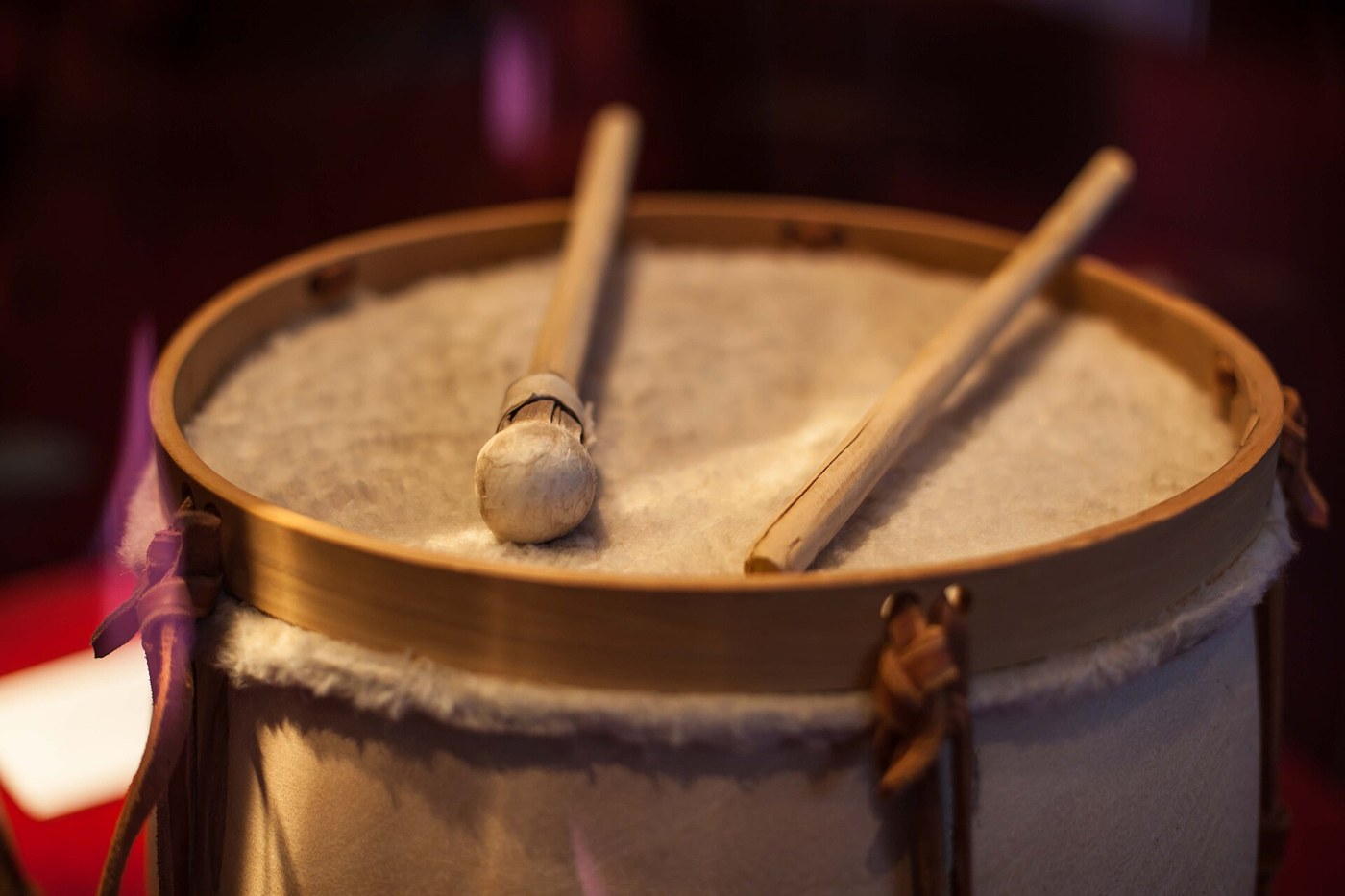

In Santiago del Estero, chacarera may appear on a stage, in a lesson, at a peña, or during a gathering. Those different settings explain why it should not be reduced to traditional clothing or a sequence of steps. It is music, dance, and social interaction, and its performers continue making decisions about how it sounds and how it is shared.
More than one setting
Argentina's intangible cultural heritage inventory recognizes its connection with Santiagueño identity and everyday and festive gatherings. Provincial cultural information also describes other genres, including vidala, gato, and zamba. Recognizing chacarera's importance therefore does not mean all local music is alike or that every song heard during a trip belongs to that genre.
Listen before classifying
For an initial listening, concentrate on the relationship between instruments and voice. Notice when singing begins, how percussion responds, and what the guitar does between phrases. You do not need to count measures to hear differences between two versions. If a program identifies the composer and performers, keep their names. They provide a way to continue listening and avoid labeling a piece merely as northern music.
Learning without playing a role
At a lesson, ask which variant will be taught and whether it is intended for beginners. A staged demonstration may include arrangements that differ from an introductory explanation of the dance. Watching is also a valid way to participate. If you join the floor, leave room for other pairs and accept guidance without turning learning into a competition to appear local.
Clothing is not a test of authenticity. People in everyday clothes may sustain a practice as deeply as a group wearing stage costumes. Likewise, contemporary instrumentation does not automatically erase a connection with tradition. Listen to what each performer proposes before deciding that one version is more genuine than another. Such judgments can overlook the choices and experience of the musicians themselves.
Continue after the trip
When choosing an evening activity, distinguish a show from a participatory gathering or workshop. Confirm the format, location, and current arrangements, particularly when traveling with children or needing a seat. Comparing two identified recordings afterward can broaden what you noticed. The visit can then provide more than a chance to see dancing: it can introduce names, subtleties, and a musical life that continues beyond the tourist moment.