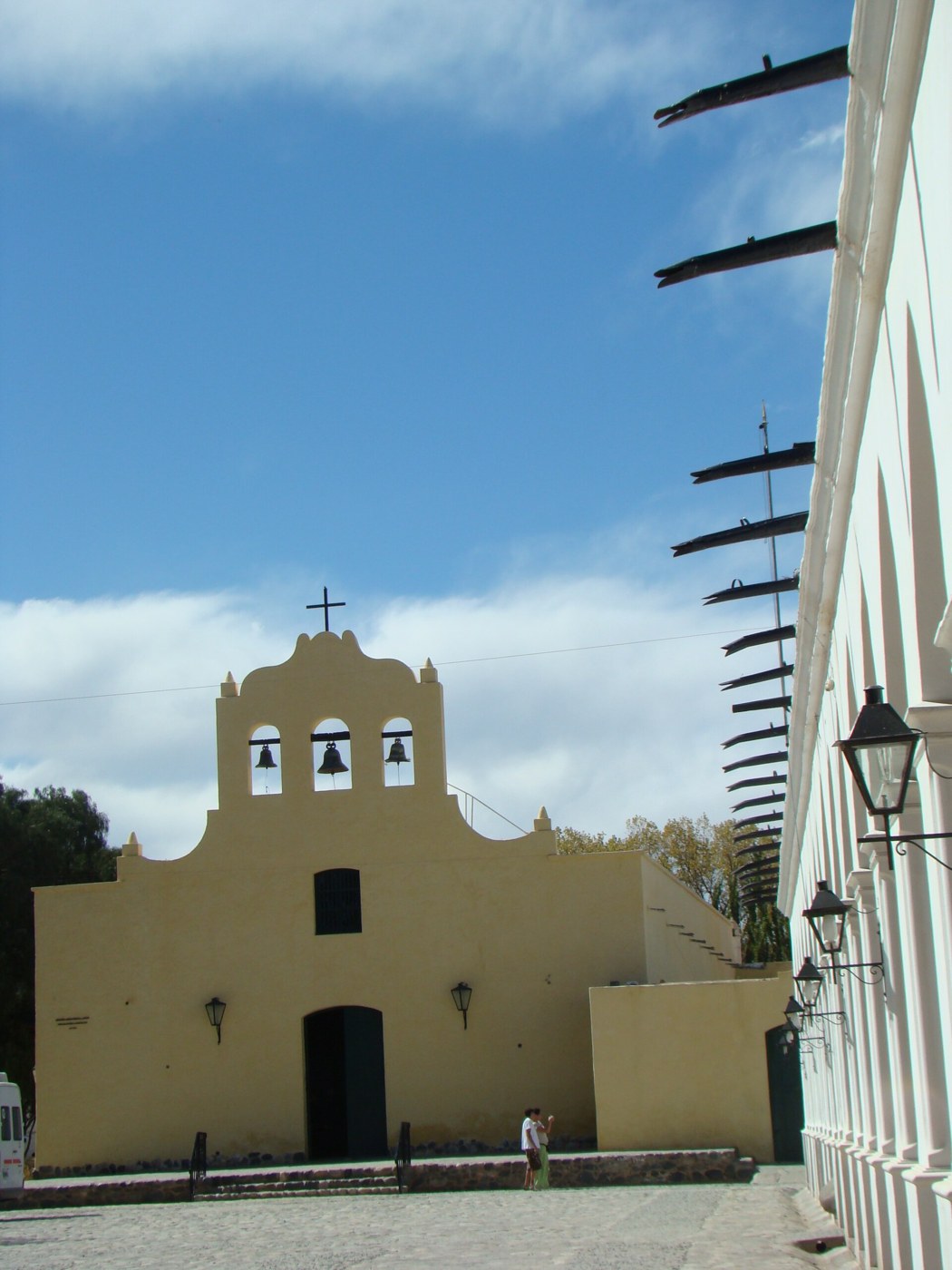

The perforated structure of cardón wood may attract attention in a roof, doorway, or historic object. Its appearance can connect architecture with landscape, but that connection needs care. A material's historical use does not mean it is appropriate to collect, extract, or buy any contemporary piece without understanding its origin.
Identify the historical use
Tourism information about Cachi identifies cardón wood in its church roof. This reference helps recognize one specific heritage use. It does not identify every porous timber in the region or establish that similar objects share the same age. If the material interests you, look for a building description or ask a responsible staff member before assigning it a history.
Examining a piece in context raises questions about work and availability. How was the material adapted to a purpose? Which joints were used? Was it repaired or replaced? Some answers require documentation and cannot be inferred from color or wear alone. A permitted detail photograph may support later research without touching fragile surfaces or entering restricted areas.
Leave the landscape in place
In the landscape, cardones are living organisms within an environment, not a supply of future souvenirs. Los Cardones National Park protects that ecological setting alongside other species and habitats. Even apparently dry remains can have functions and fall under area rules. Leave material where it lies and consult local instructions rather than interpreting fallen as ownerless or without value.
If a shop offers a contemporary cardón object, ask about its origin and any applicable documentation. A statement that it was found in the countryside does not by itself resolve questions about extraction, sale, or transport. When provenance remains unclear, choose another material. Interest in a historical technique does not create an obligation to purchase a new example.
Three different things
This distinction allows appreciation of heritage without copying past sourcing practices. An old roof can reveal decisions from another period while present-day protection requires different judgments. When describing what you saw, separate the historic object, the living plant, and the commercial product. That precision prevents an architectural observation from inadvertently becoming an invitation to remove material from the landscape.