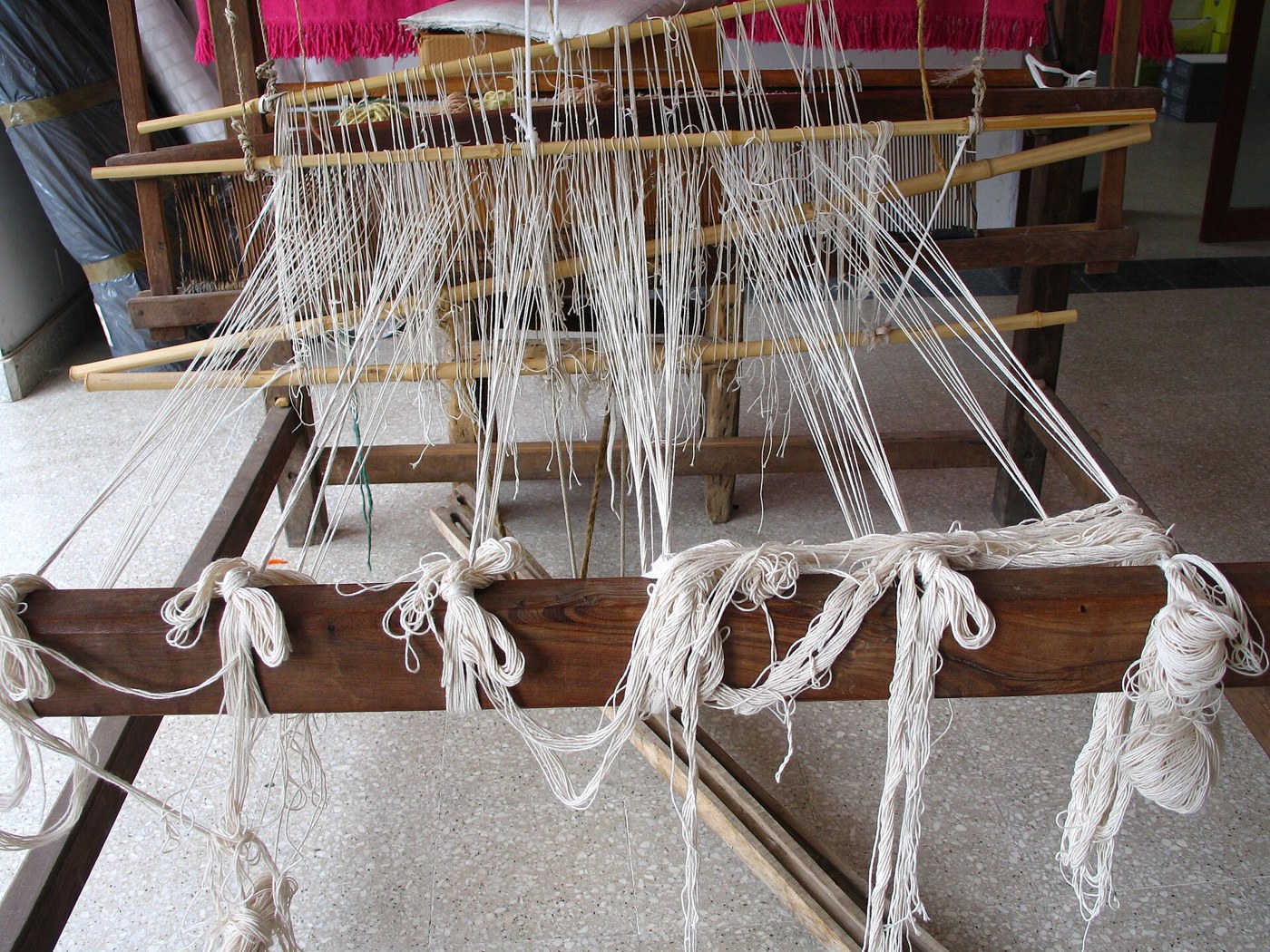

Buying in a workshop can bring you closer to how an object is made, but it does not remove the need for ordinary purchase questions. Price, materials, dimensions, and delivery still matter. A clear conversation lets the producer explain their work without guessing your expectations and lets you decide without confusing a pleasant exchange with an obligation to buy.
Authorship before labels
Start with authorship. A stall may combine the seller's work with pieces by colleagues, relatives, or a cooperative. Asking who made the object is not an accusation; it helps credit the work correctly. In a collective shop, ask how individual producers are identified. A regional fair does not guarantee that every product has the same origin.
Discuss the purchase
Then discuss concrete details. For a textile, ask about composition and care; for ceramics, intended use and fragility; for woodwork, material and finish. Select questions that affect your decision instead of requesting a complete account of every technique. The maker may be working or serving other customers, and an extended visit also uses productive time.
If the price exceeds your budget, say so simply and ask whether another piece falls within your range. Avoid treating bargaining as a mandatory local custom or questioning the value of work because a factory-made item costs less. Comparing options is reasonable. Expecting someone to reduce their income as a demonstration of hospitality does not create a respectful exchange.
Commissions and memories
A commission needs more detailed agreement than an immediate purchase. Record dimensions, materials, price, any deposit, estimated completion, and delivery method. Clarifying what may vary in a handmade piece prevents expectations of an identical copy of a sample. If shipping is involved, discuss packaging, costs, and delays. Keep a receipt or written exchange that both parties understand.
For photographs or publication, request permission and record the name as the maker wishes it to appear. A small purchase does not authorize photographing an entire home or every process. Take the care instructions home with the object. Direct buying becomes more valuable when it provides reliable information about specific work rather than an invented romantic story about the person who produced it.