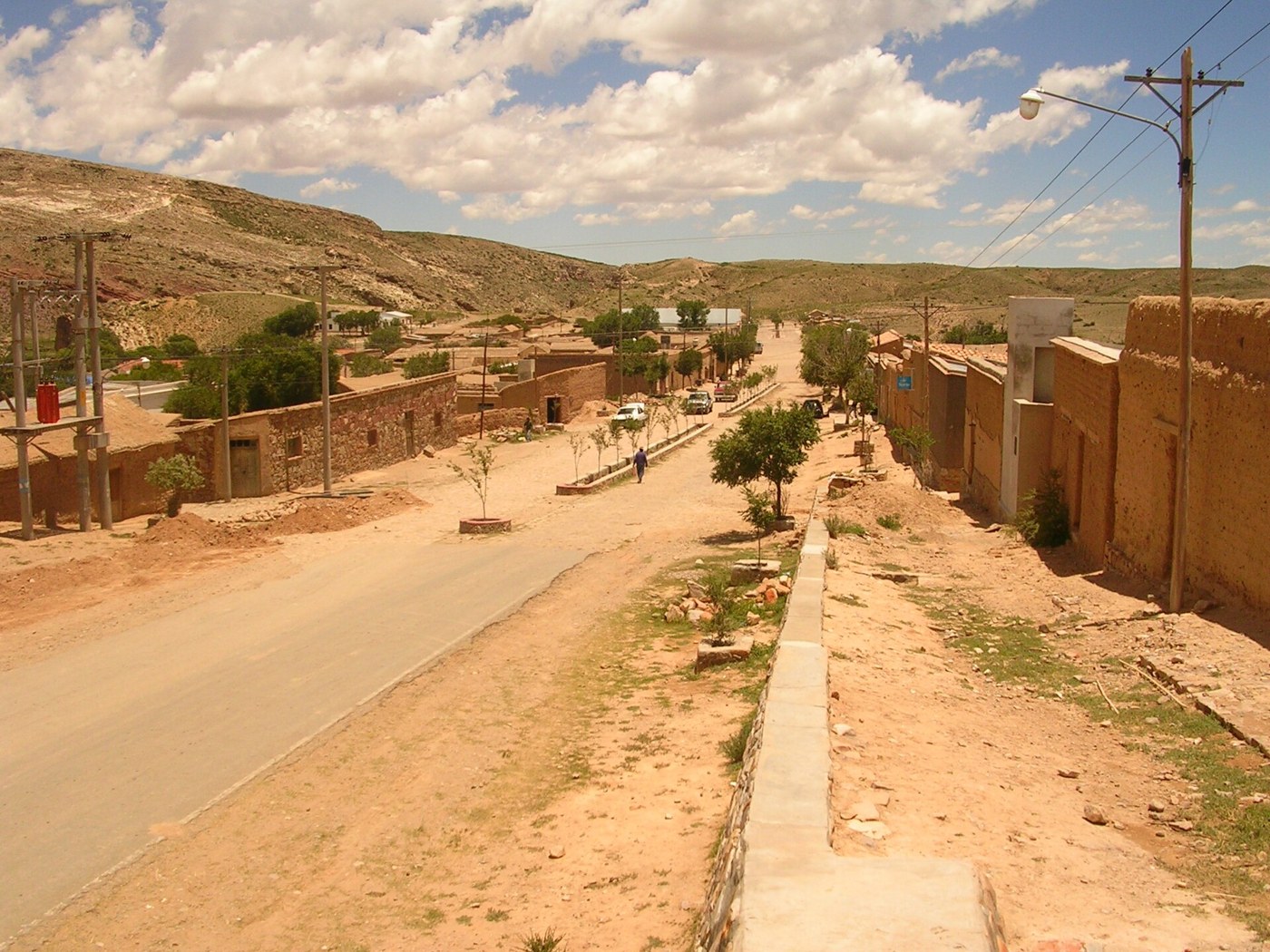

Yavi lies east of La Quiaca in northern Jujuy. The proximity of the two places does not mean they offer the same experience. In Yavi, the church, former estate house, and settlement’s relationship with the river introduce a rural and territorial history. The interest is in understanding those connections, rather than imagining a village suspended outside time or a colonial scene without present-day residents.
Ask about relationships of work
The site’s heritage story is tied to an estate and to power relationships that organized land and labor. The Casa del Marqués and chapel are material reference points, but an explanation focused only on their owners leaves other experiences out. When visiting a collection or hearing an account, ask about the people who cultivated land, raised animals, and maintained the buildings. You do not have to resolve the whole social history in a single stop. Recognizing which voices appear and which are absent already changes the way you look at the setting.
Read streets and courtyards
The village’s arrangement reveals relationships among street, facade, and courtyard. Houses may have continuous street fronts and interior spaces hidden from public view. Respecting that division matters particularly in a small settlement. The river and cultivated areas create another contrast with the highland environment. Observing from public areas helps explain the role of water without entering working land. An irrigation channel or passage used by residents does not necessarily belong to a tourist circuit. What looks like a quiet shortcut on a map may have another purpose locally.
Arrange the complete outing
To organize the outing, confirm cultural-site access and the journey back to your accommodation. If coming from La Quiaca without a vehicle, arrange the complete transfer rather than relying on finding transportation afterward. A small settlement can make a poorly calculated wait more noticeable. Bring what you need for a simple outing instead of assuming a shop will be open at every moment. Once those arrangements are settled, attention can return to the place itself: comparing a historical explanation with the landscape and recognizing that change continued long after its best-known buildings were constructed.