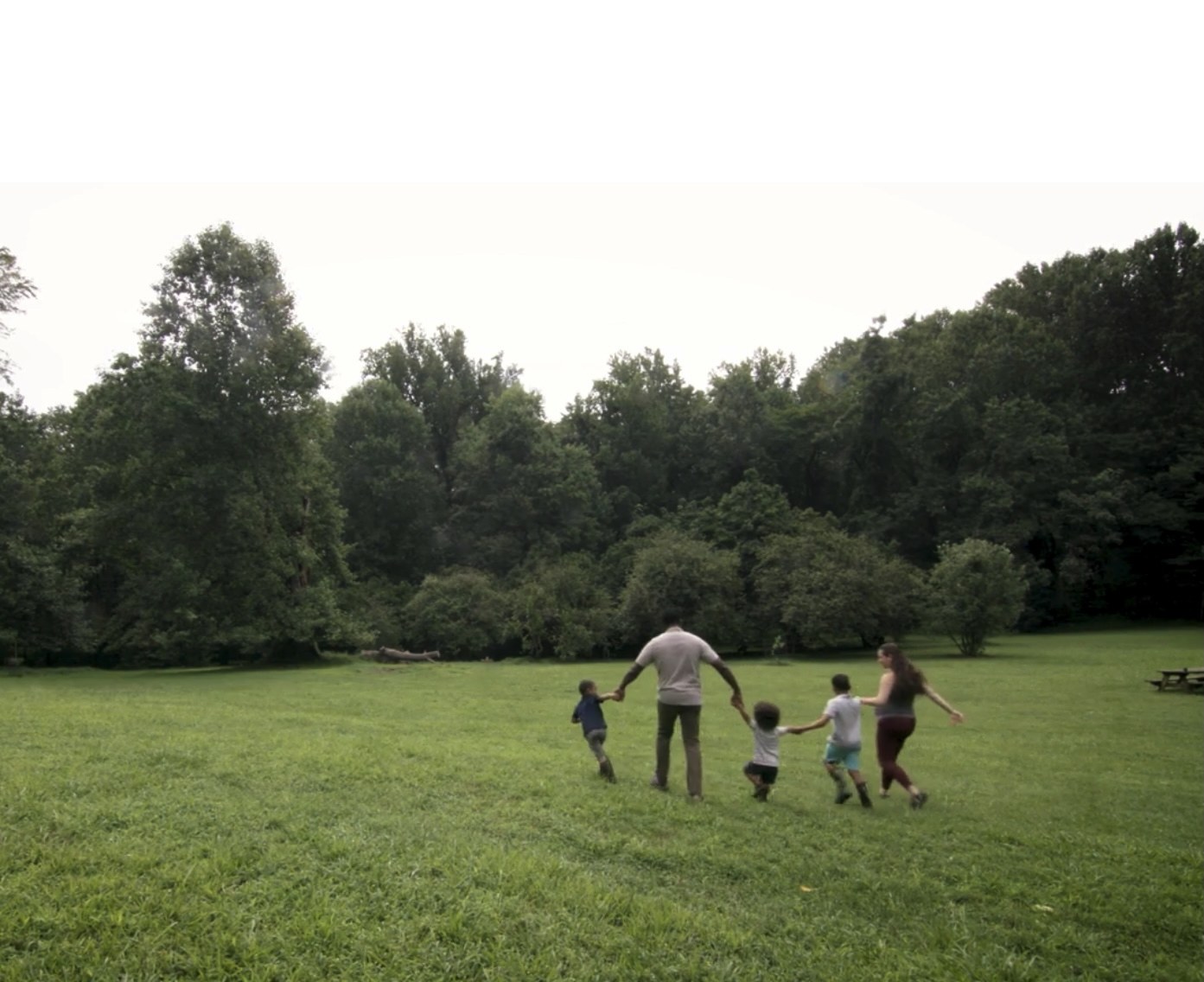

A family itinerary can have fewer stops and offer more to remember. The difference lies in allowing time for what happens between visits: finding a restroom, eating before everyone becomes too hungry, going back for a jacket, or lingering in a square. When planning northwest Argentina with children, these activities belong in the itinerary. They are not interruptions that must be compensated for later.
One visit that can stand on its own
Choose one main activity for the day and leave the others as possibilities. If a museum visit turns out to be enough, the day has already served its purpose. Avoid presenting a list of promises that becomes difficult to shorten. A short walk near your accommodation can also reveal unfamiliar materials, sounds, or foods.
Offer a concrete question before entering: which object catches their attention, how a wall was built, or what has changed between an old photograph and the street outside. There is no need to turn every outing into a lesson. Allow room to look at something that was not on your list.
Transfers use energy too
Compare the total hours away from your accommodation, not just driving time. Ask about possible stops, restrooms, and available child restraints before booking a vehicle. Keeping essentials within reach in a small bag avoids unpacking the main luggage at every break.
Do not assume that a scenic drive will entertain every age group. Several hours looking out of a vehicle can be too much, even when the landscape is extraordinary. For an initial outing, choose something that allows a return without completing a long circuit.
Decisions before departure
Discuss the children's particular needs and the planned itinerary with a health professional before departure, especially if it includes altitude. Also check the documentation required for minors in your family's circumstances. Requirements cannot be inferred from sharing a surname.
At the end of each day, consider what worked: a longer break, leaving after breakfast, or keeping the afternoon free. Use that information the next morning. A flexible schedule is useful when it actually allows the plan to change.