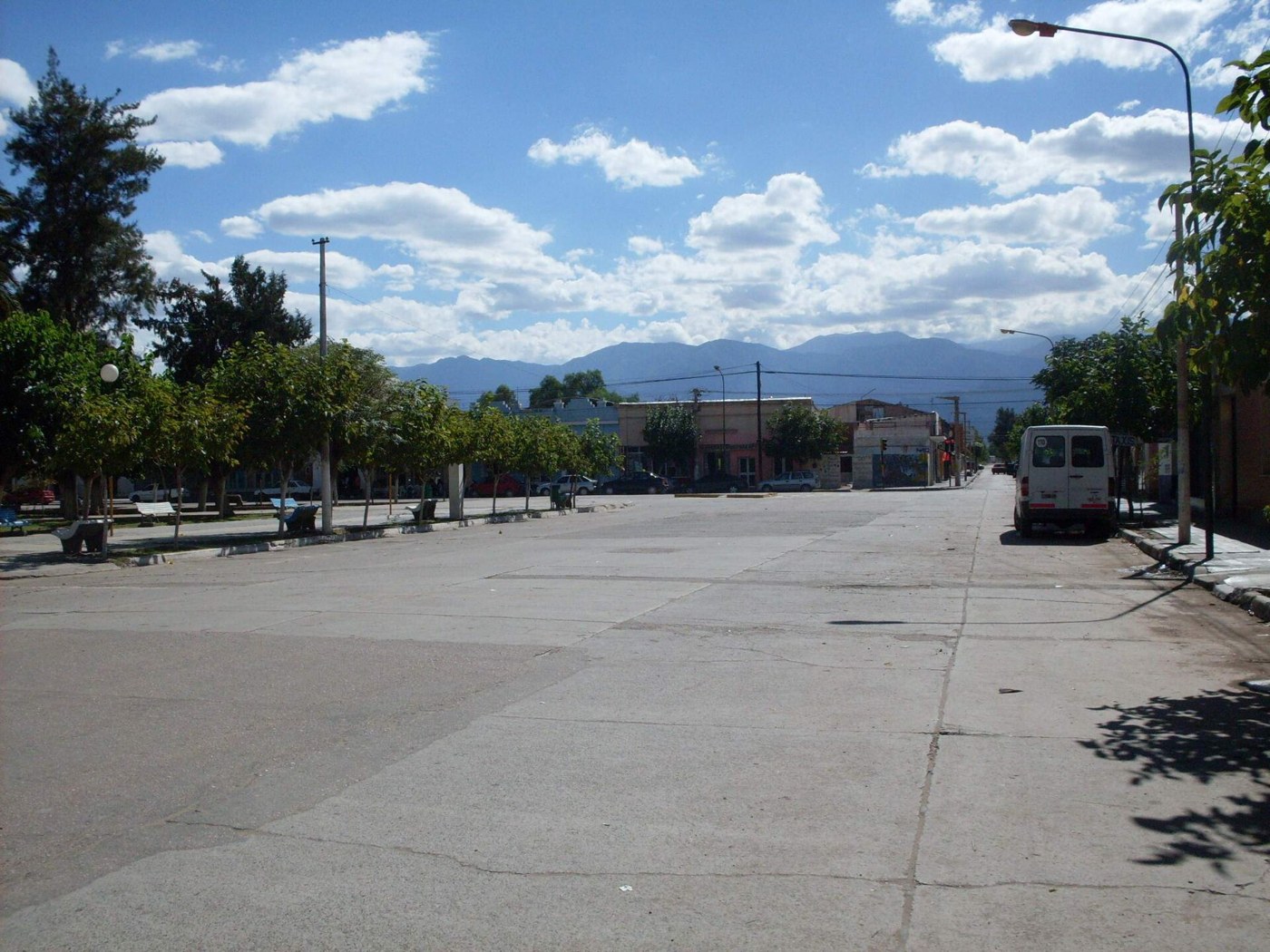

Tinogasta stands on National Route 60 in western Catamarca. Many itineraries continue from here toward Fiambalá and high-mountain landscapes, but the city and valley are more than an anteroom. Earthen architecture, cultural visits, and local production provide reasons to spend a day in an environment different from the one farther uphill. That difference should remain clear when organizing activities as well as when looking at the scenery.
The Adobe Route is a route
The Ruta del Adobe links buildings spread among several settlements. It is not one enclosed attraction that can be reached and explored entirely on foot. Before setting out, select the buildings that interest you and establish which receive visitors. The experience can focus on how walls, roofs, shade, and courtyards use materials available in the territory. A historic house still in use needs different visiting arrangements from a museum. Asking about that distinction prevents arriving at a private doorway expecting permanent public access. It also helps choose a manageable route rather than following every name on a brochure.
The city has its own story
In Tinogasta itself, the plaza and San Juan Bautista church provide reference points for an urban walk. Archaeological museums raise other questions about societies that inhabited the region. Review collection content before deciding, particularly when traveling with people who prefer to avoid displays of human remains. An informed visit does not require looking at everything. An arranged encounter with craftspeople or producers may also appeal, allowing a material or food to be explained through a specific process rather than simply presented as a regional product.
Separate the valley from high mountains
A journey toward the Seismiles requires a separate plan. A valley heritage circuit does not have the same conditions as a high-mountain detour, even when both appear in Tinogasta’s tourism offerings. Confirm route, vehicle, accompaniment, and turnaround point for the particular excursion. Avoid using a tiring arrival day to make a rushed decision about an ascent the following morning. The city can provide time to review plans and rest as well as explore. A base is most useful when it supports informed choices about the territory instead of encouraging additions based only on appealing place names.