
Santiago del Estero expands a picture of northern Argentina sometimes reduced to mountains and highland villages. Its capital relates to the Río Dulce and to urban spaces where music, history, and outdoor life have their own presence. Visiting requires a change of expectations. The interest lies in observing a different city and landscape within a broader regional journey, rather than trying to find another version of a mountain ravine.
From downtown to green spaces
An initial outing can begin downtown and continue toward Parque Aguirre. Municipal circuits connect historic buildings, cultural expressions, and green spaces, but you do not need to complete every circuit in a single day. Select one area and establish where your next intended visit is located. Attractions sharing a brochure may still be far enough apart to require transportation, especially in hot weather or when members of your group need frequent breaks. A shorter route can provide more time to notice how residents use the same spaces.
See the river from the city
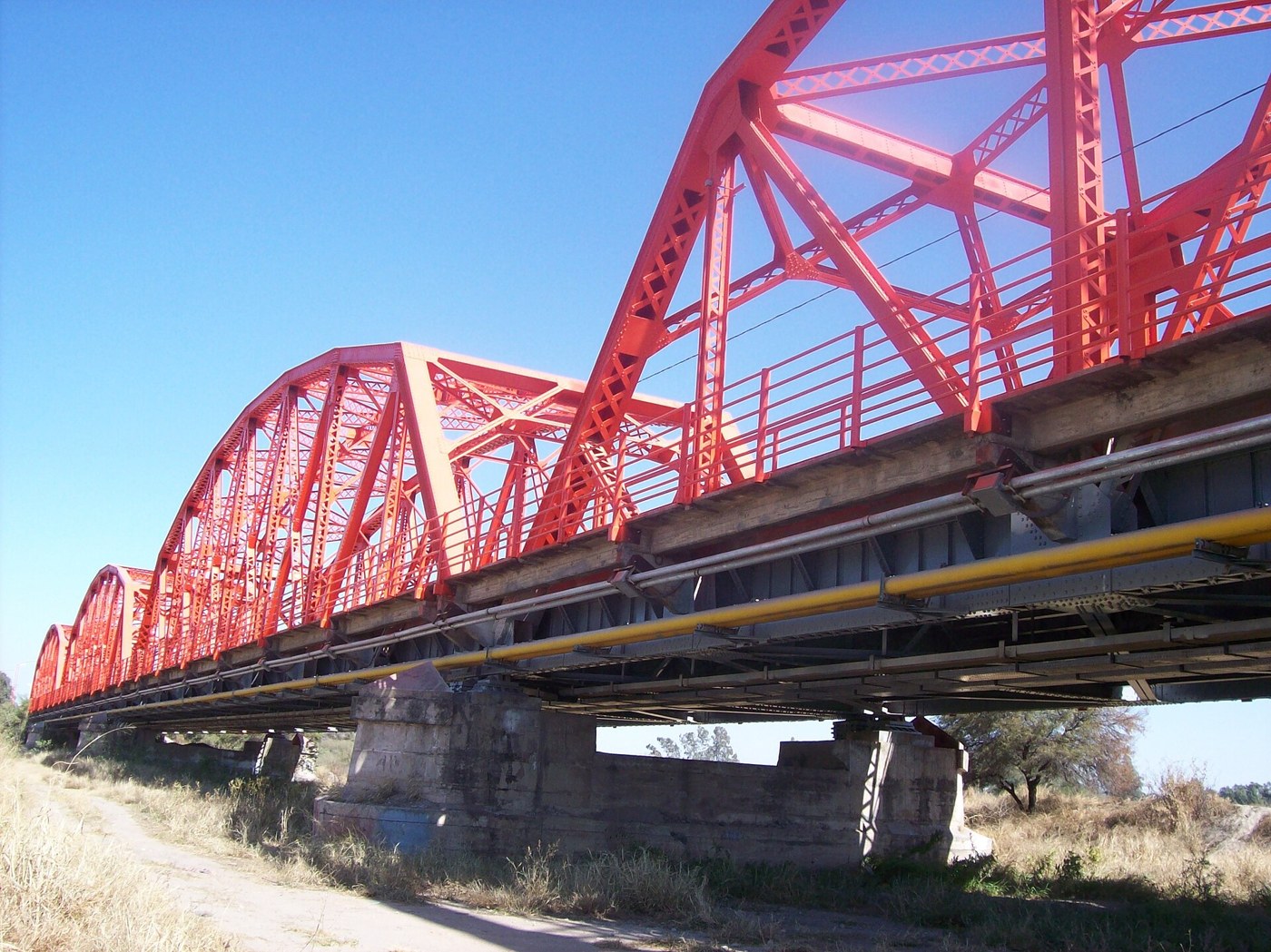
The river provides another way to understand the city. Bridges connect everyday journeys and also feature in local songs and stories. Looking at them from designated public areas helps explain that relationship without turning the riverbank into an improvised walking route. Water levels and access conditions can change. A visible shoreline is not necessarily an authorized swimming place, and barriers or warnings should not be bypassed for a better photographic angle. The river is part of an inhabited environment with uses beyond recreation.
Listen to a living tradition
If music interests you, look for an event announced by a cultural venue or an identifiable organizer. Chacarera has a strong connection with Santiago del Estero, but not every public gathering is a performance arranged for travelers. Ask whether participation, listening, or photography is welcome. A conversation about an instrument or song can create a more specific connection with the place than expecting folklore to be permanently staged in every square. Leave the people involved free to define the encounter.
Locate each activity
At the end of the day, allow space between a walk and an evening activity. An extensive city is not better understood by adding last-minute transfers. Check whether an advertised outing is in the capital, La Banda, or Termas de Río Hondo. These are different locations even when they appear together in provincial information. Understanding those distances helps you choose deliberately and prevents most of the stay from being spent traveling between places that seemed, on a brochure, to be next door to one another.