
At a short stop, the waste can seem insignificant: a wrapper, a tissue, and the remains of a piece of fruit. The problem grows when every vehicle leaves something similar in a place without collection services designed to handle it. An outing through the valleys or the Puna needs a small, specific waste system, rather than simply an intention to find a bin somewhere at the end of the road.
A system that works on the move
Prepare a sturdy bag that closes and a separate container for damp food scraps. Keep them accessible during stops instead of burying them beneath all the luggage. In a shared vehicle, ask where waste can be stored and how it will be removed afterward. An open bag beside a window can lose paper in the wind; a leaking container can soil other equipment and make people less willing to keep carrying it.
Buy and eat with less waste
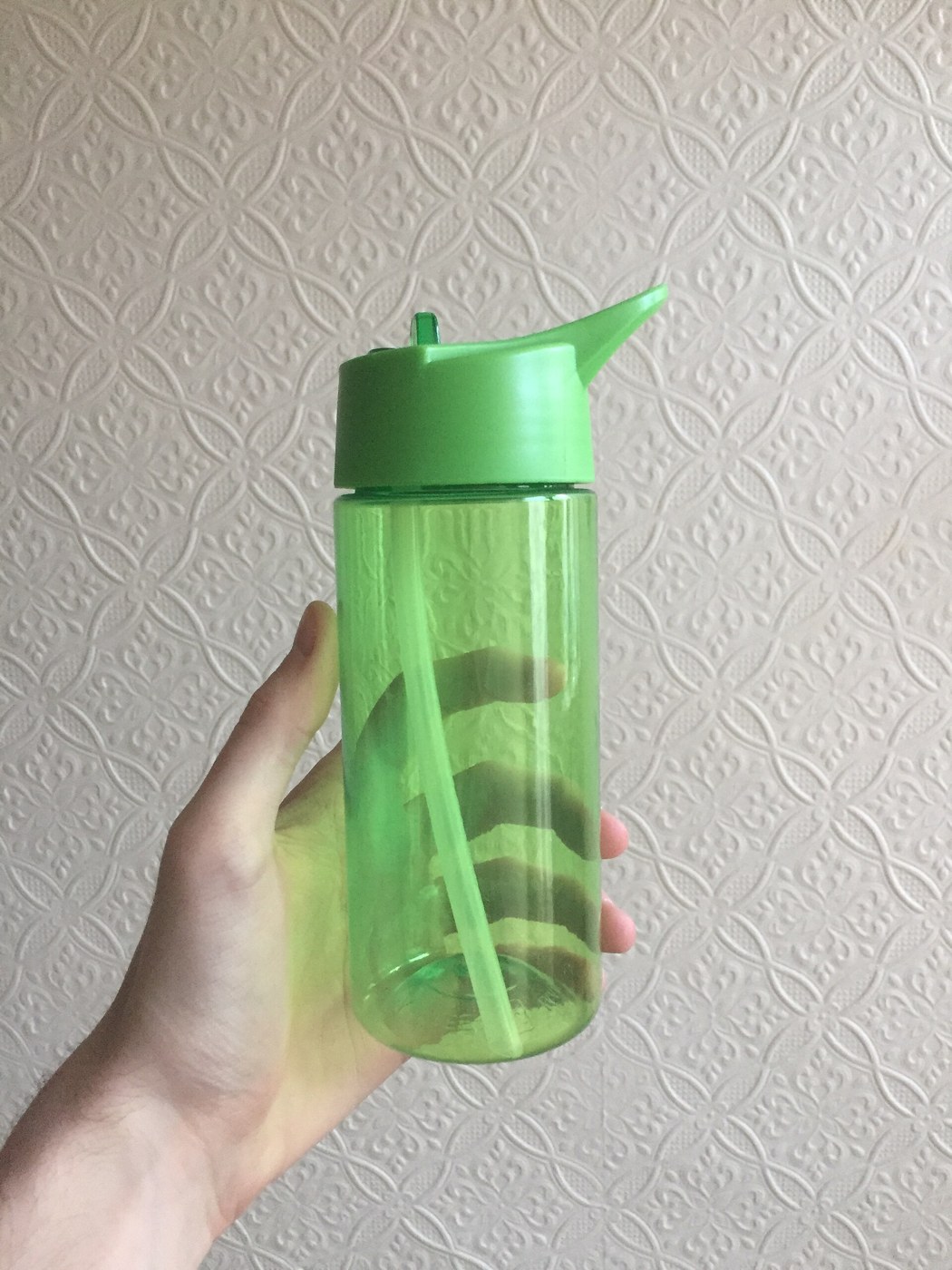
Prevention begins when shopping. Choose quantities your group will actually consume, and reduce individually wrapped portions where that is workable. A reusable container can hold an unfinished serving if it can be stored appropriately. Carrying a refillable bottle helps when a safe water source has been confirmed: the bottle does not make every tap or stream a suitable place to refill.
Fruit peel and crumbs should come back with you too. Leaving them beside a viewpoint is not the same as composting them and may draw animals toward traffic. Argentina's National Parks Administration asks visitors to remove the waste they generate and use authorized disposal points. Apply the same care to cigarette ends, labels, tissues, and small pieces of plastic, which are easily forgotten because they take up little space.
Where the bag finally goes
Sorting materials works only if an appropriate destination exists for each one. Ask your accommodation or visitor center what they actually accept and in what condition. Do not leave glass beside an overflowing container or unload a day's travel waste into a shop's small bin without asking. If there is no suitable option, retain the bag until you reach an urban collection point where it can be disposed of correctly.
When repacking for the next day, notice what produced the most waste. Perhaps the group could share one larger package, carry a washable napkin, or replace a meal that is awkward to transport. You do not need an entirely new set of equipment to improve these details. Using what you already own, keeping containers closed, and remembering the bag when leaving the vehicle often matter more than buying another accessory.