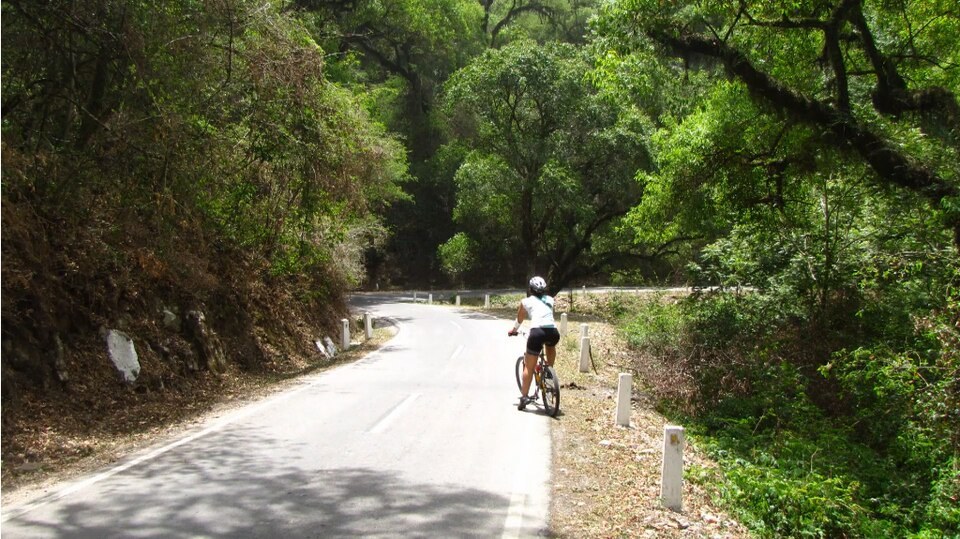
In many itineraries, the return journey is reduced to an arrow pointing toward the departure city. Because the road has already been traveled, it is assumed to need less attention and no extra time. Yet returning involves a different hour, different light, and perhaps different conditions. Giving it its own structure prevents every worthwhile visit from being loaded onto the outward trip and the return from becoming a race at the journey's end.
Distribute stops from the beginning
From the first draft, distinguish stops requiring reservations from those allowing flexibility. If you will use the same corridor in both directions, distribute some visits between the two journeys. Do not promise a business or host a return time that depends on an uncertain excursion. Arranged activities need more margin than an impromptu pause in a plaza.
A repeated road can provide another reading without extra detours. Hillsides appear differently when viewed from the opposite direction, and a village that received a brief stop can be given more time. Choose a new interest within a familiar place: have a meal there, visit a museum whose opening you confirmed, or explore another street. There is no need to seek an alternative road merely to make a circle on the map.
Check any alternative independently
If considering a different return road, assess its conditions independently. Check surface, services, access, and compatibility with your vehicle or booked transport. A shorter line may be more demanding or unsuitable on your date. Consult current road information rather than treating another traveler's informal suggestion as a guarantee. An uncomplicated outward drive does not establish the suitability of an alternative.
Leave room to finish
Reserve the final part of the return for tasks that take time: fuel, vehicle return, finding accommodation, or preparing for another departure. If all are postponed until after the last visit, every delay accumulates where flexibility is lowest. A simple meal and an orderly arrival may close the journey better than another viewpoint added when the group is already tired.
When reviewing the plan that morning, choose which stop you would remove first if the day becomes complicated. Making that decision beforehand avoids renegotiating every delay on the road. The return need not reproduce the outward trip or exceed its number of visits. It can be a shorter day with one meaningful pause and sufficient room to finish without losing the benefit of having traveled slowly.