
Comparing a rental vehicle with an organized excursion often comes down to the visible price. Yet two offers can include very different amounts of work, time, and responsibility. An independent day requires decisions about the route, fuel, parking, and return. An organized outing may resolve those tasks, but it has a shared rhythm and conditions worth understanding. The right choice depends on what you want to do that day, not an abstract preference for traveling independently or with company.
Define what you want to do
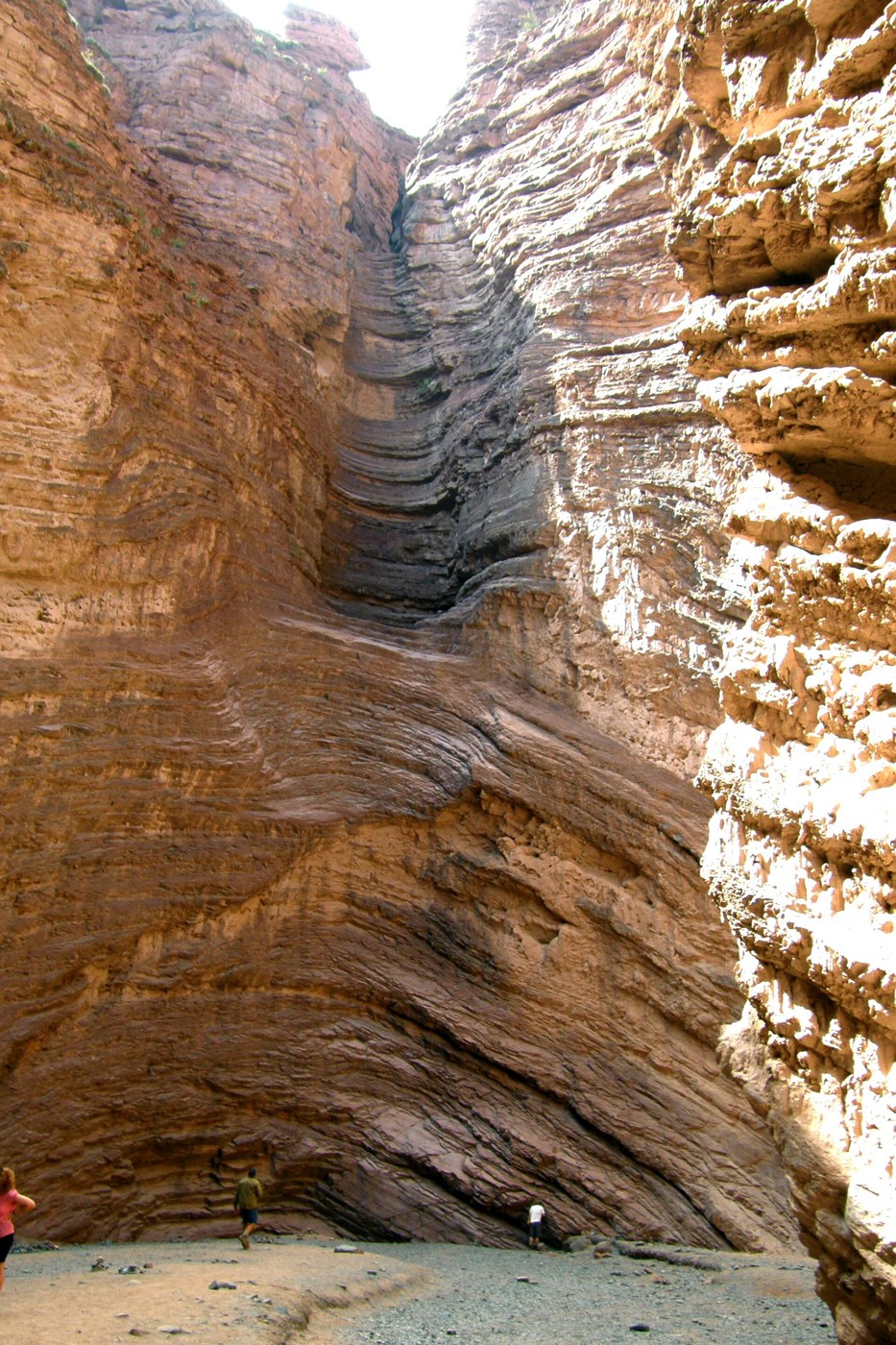
Describe your ideal day in concrete terms. Do you want an hour observing a rock formation, time to ask questions in a museum, or several photography stops? Or would you rather listen to an explanation without thinking about driving? Those answers let you compare actual itineraries. An excursion listing many places may allow little time at each; a private vehicle does not create extra hours when distances are long.
Compare responsibilities and inclusions
For self-driving, consider who will drive and how much rest that person will have. Review the exact road with the rental company, including contractual restrictions and available assistance. Add fuel, parking, and any admission or guiding purchased separately. If an activity involves alcohol tastings, arrange transport without assigning later driving to a participant. Being able to rent a vehicle does not establish that a route suits your abilities.
Ask the excursion company for a description separating transfers, stops, and visiting time. Ask about group size, language, meeting point, meals, admissions, and expected return. Establish what happens if weather changes the itinerary and how cancellations are communicated. In protected areas, check with the relevant administration which providers and activities are authorized for that location; authorization elsewhere does not answer the question.
Consider possible changes
The flexibility of each option also matters. With your own vehicle, an extra stop can push back everything afterward and require a later return. In a group, choosing not to join one activity may not mean immediate transport home is available. Consider what would happen if someone became tired or decided not to continue, and ask before paying. A clear answer about those limits is more useful than an enthusiastic description.
You can combine transport styles within one trip. A city day and a straightforward transfer may work independently, while a remote outing is arranged with appropriate support. That combination can avoid retaining an unused vehicle for several days or buying an excursion that does not match your interests. Compare total cost, organizational work, and useful time at the destination, then choose the option that best resolves that particular day.