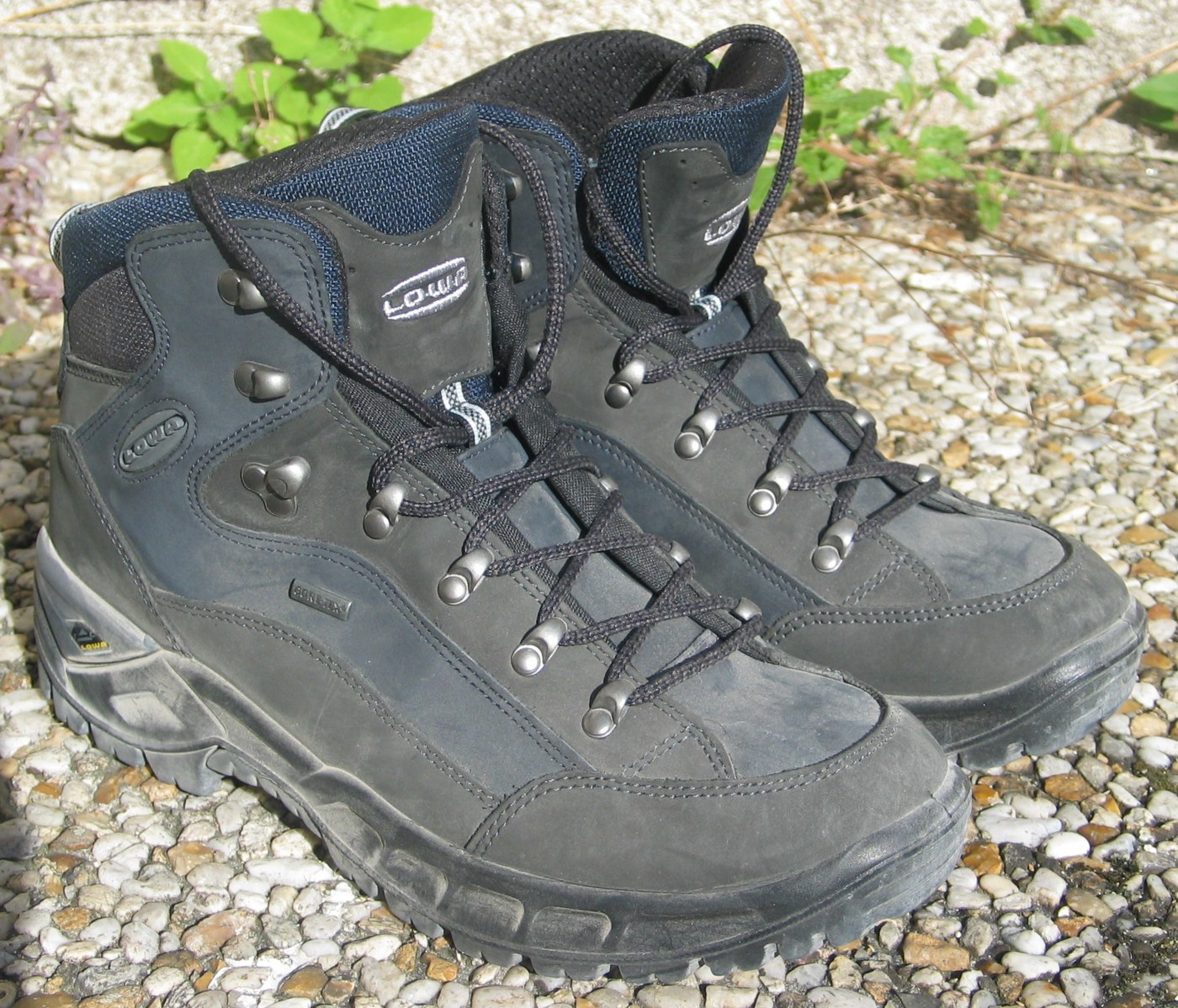

A town square and a rocky trail may be only a few hours apart but place different demands on your feet. The heaviest footwear is not automatically the best choice, and a shoe that feels comfortable at home may behave differently with dust, slopes, or several hours of walking. Start with the specific routes you intend to take and what you already know about your own fit.
Terrain before the label
For urban visits, consider standing time, surfaces, and the possibility of rain. For uneven paths, look at grip, stability, and the protection offered by the model. A sole designed for a particular use does not remove the risk of slipping on wet stone or mud.
Ask the provider about route conditions when you do not know them. “A short walk” says little about steps, loose rocks, or water crossings. If an activity requires equipment you do not own or know how to use, consider changing the activity before buying something that may not solve the larger problem.
Try them with your travel socks
REI's fitting guidance emphasizes foot length, width, and volume. Try both feet with the socks you would wear on the outing. The heel should not move uncomfortably, and toes need space. Do not choose solely by the printed size or a rule about always buying one size larger.
Walk around and, if the store provides a testing surface, check how the shoes feel on an incline. Localized pressure deserves attention even when the rest feels comfortable. Adjusting laces can help, but it cannot correct every mismatch between a foot and a particular model.
Before and after the walk
Wear the footwear on shorter outings before the trip. This allows discomfort to become apparent without leaving you far from the return point. Inspect soles, seams, and laces. Having owned a pair for years does not guarantee that it remains in good condition.
After a damp day, follow the manufacturer's cleaning and drying instructions. Leaving shoes wet until the following morning can complicate the next outing. If discomfort persists, reconsider the plan instead of pressing on to complete a distance. The route can be adjusted to the actual circumstances of the day.