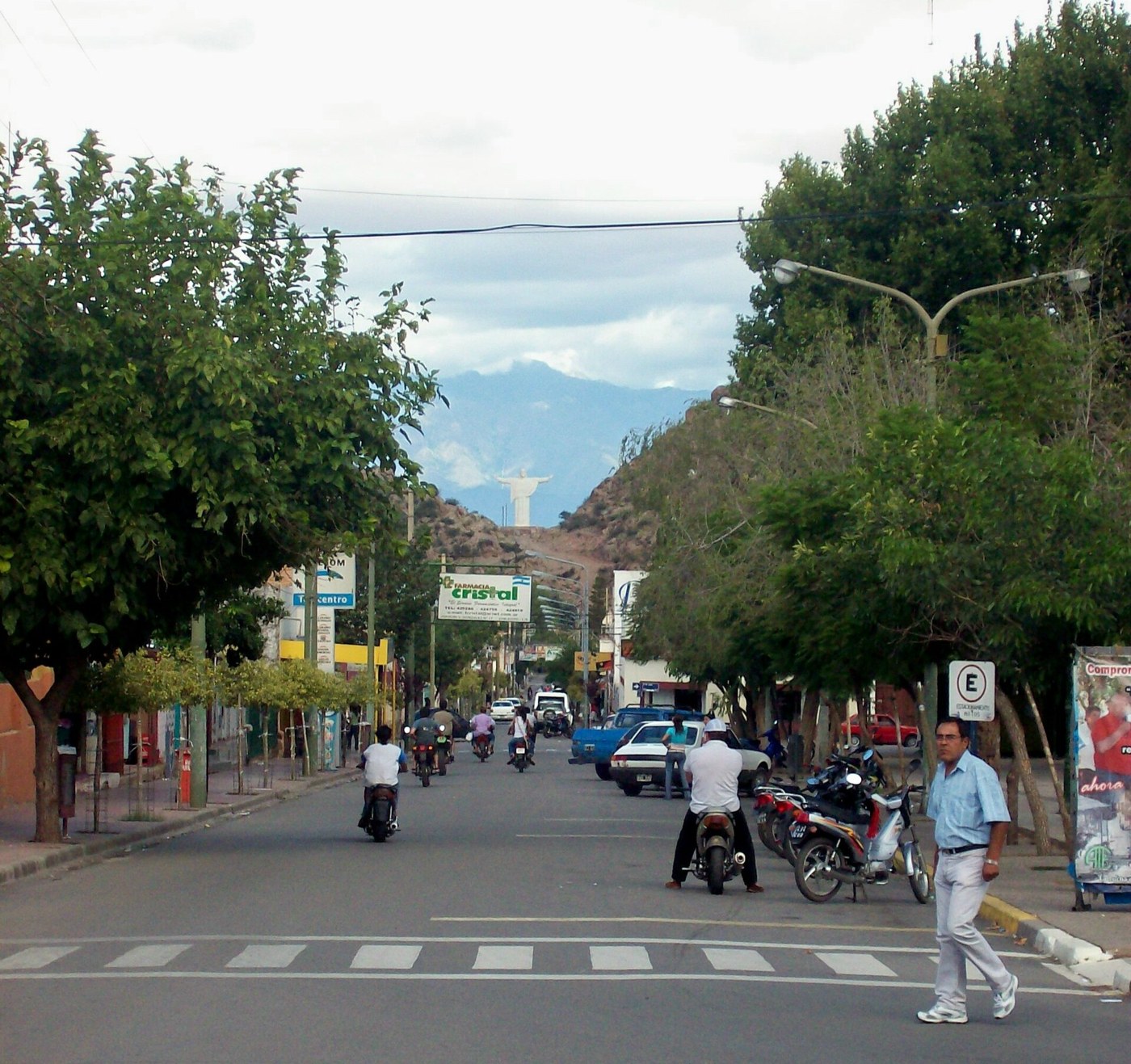

Chilecito offers a way to understand western La Rioja from a town with its own everyday life. The Famatina mountains form a recognizable horizon, but the surrounding area also contains industrial heritage, places of local memory, and a winegrowing landscape. Separating those subjects makes a visit more rewarding than a hurried sequence of viewpoints. Time in town and a separate outing into the countryside reveal different aspects of the same region, while leaving room for the ordinary streets between advertised attractions.
Infrastructure with a story
The Cable Carril makes the historical connection between the town and high mountain mining visible. Its stations invite questions about how material moved across very different environments, what infrastructure that movement required, and how many workers supported the system. The municipal tourism office identifies stations 1 and 2 among local places of interest. Check which areas can currently be visited and whether interpretation is available. An old structure is easier to understand when its function is explained. Industrial remains should never be used as climbing equipment or explored beyond authorized visitor areas.
The cultivated valley
Winegrowing introduces a different scale. Cultivated plots and wineries reflect another use of the valley, shaped by agricultural seasons and water requirements. A tasting may be enjoyable, but questions about grape varieties, harvest work, and the management of the land can be just as revealing. The provincial wine tourism route connects Chilecito and Famatina. That does not mean every business welcomes unannounced visitors. Arranging a specific appointment allows time for conversation and makes it easier to organize transportation without relying on someone driving after drinking.
Choosing a historical question
Samay Huasi, associated with Joaquín V. González, and the Tambería del Inca archaeological site offer other historical perspectives. They are not interchangeable chapters: a house linked to a public figure and a site of earlier occupation raise different questions and require different kinds of conservation. Confirm current access and choose according to the subject you want to understand. Between heritage visits, leave a break for lunch and an unhurried walk. Moving through the town also reveals how homes, shops, and places presented to visitors occupy the same urban fabric.
Seeing the town from above
Elevated viewpoints, including the area around Cristo del Portezuelo, help explain the relationship between the town and its mountain setting. They can put earlier visits into perspective before a longer regional outing toward Cuesta de Miranda or elsewhere. Look for roads, cultivated areas, and changes in terrain instead of collecting similar horizon photographs. This approach turns the mountains into a useful reference for understanding Chilecito, while giving the town more attention than it would receive as an overnight base between excursions.