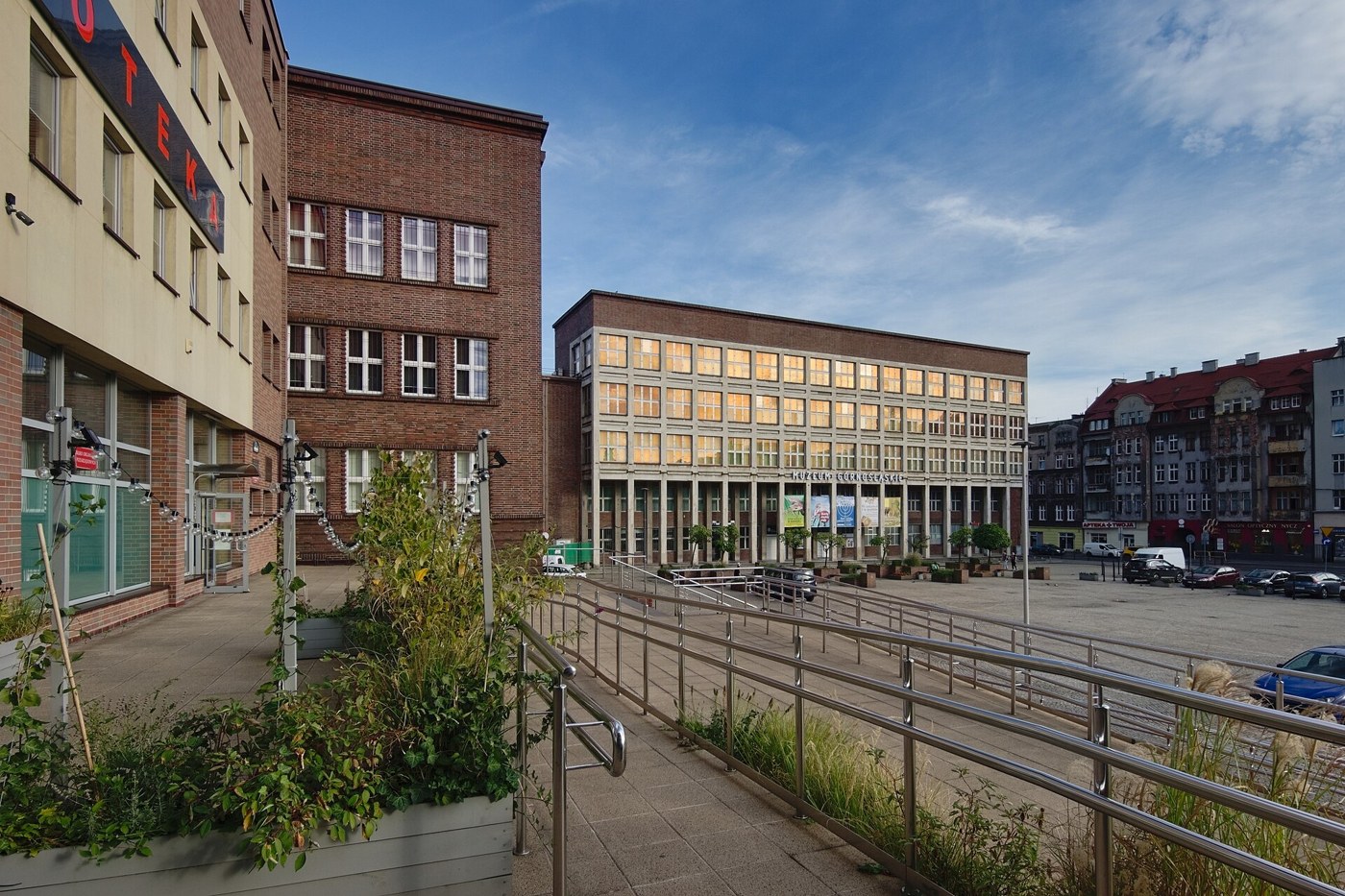

A place described as accessible may still require more investigation to understand whether it suits a particular person and how they travel. The journey from transportation to the entrance, surfaces, rest areas, and exit matter as much as the main gallery. Before visiting a museum or landscape in the north, ask about the entire route and the conditions expected on the day.
Describe what you need
Instead of asking only whether access is available, explain what information helps you decide. You may need a doorway width, details of steps, the surface type, or the distance to a seat. For a visitor with low vision, ask about lighting, contrast, enlarged materials, or available assistance. For hearing needs, ask about captions and written alternatives.
You do not need to provide a medical history to request information about a space. A short list of concrete requirements often produces more useful answers than a broad category. Save the response and the department that confirmed it, while recognizing that a conversation does not replace checking conditions on arrival.
Follow the access chain
Check vehicle drop-off, entrance, ticket desk, restrooms, the visit itself, and the return. An elevator may exist but be out of service; an alternative entrance may require someone to unlock a door. Ask whether advance notice is needed and what happens if that resource is unavailable.
For natural areas, request details of the section you actually intend to use. An initial boardwalk does not describe an entire trail. Mud, loose sand, or a slope can change conditions. A recent photograph of the entrance may help, but it cannot replace measurements or precise answers.
An alternative worth doing
Prepare a nearby alternative that is interesting in its own right: another gallery, a square, or a shorter visit. It should not feel like a consolation prize. If members of the group take different routes, agree on a meeting place and communication method without leaving anyone waiting somewhere uncomfortable.
The final decision belongs to the person using the space. Offer assistance without assuming it is needed, and ask before moving mobility equipment. Planning works best when it supports informed choices rather than making decisions for someone else.