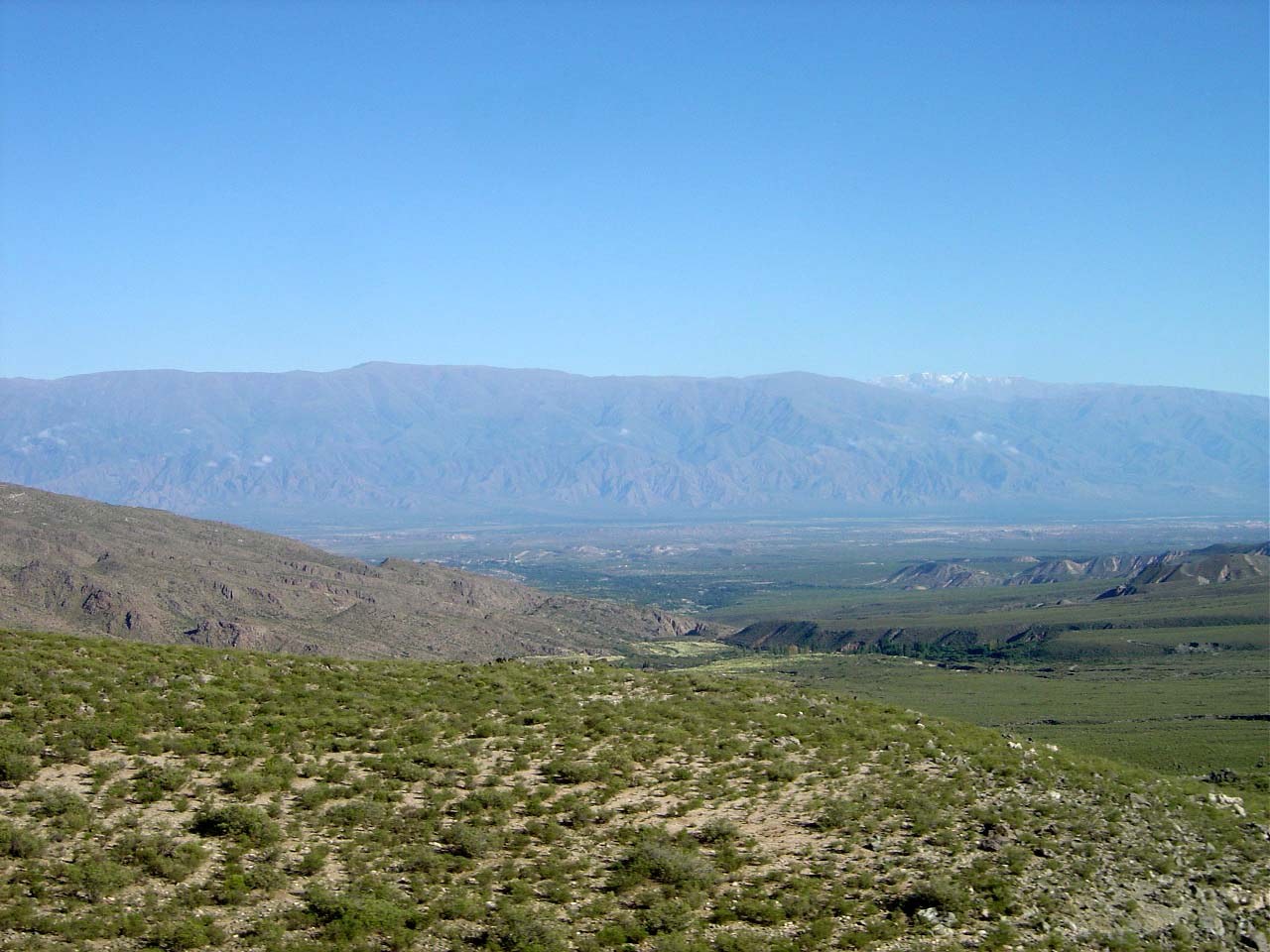
Amaicha del Valle belongs to Tucumán’s Calchaquí Valley and has a community identity that should not be reduced to a tourist image of Pachamama. Landscape, production, and cultural expressions relate to a living community. For visitors, this means distinguishing public spaces, activities offered to travelers, and events whose main meaning belongs to the people organizing them.
Ask what is actually offered
The plaza can be an initial reference point for finding your bearings and asking about activities. Rather than deciding from outside what an “authentic” experience should look like, ask which visits are offered and who coordinates them. A workshop, an agreed meal, or an explanation of production can create a specific exchange. A practice with older roots does not have to appear in a fixed form, and its participants are not obliged to perform it for a camera. Communities decide how to share knowledge and how to incorporate change. A modern element does not make an encounter less meaningful.
Participate without claiming the whole story
Celebrations require particular attention. Check the program and participation arrangements for the relevant year without assuming every ceremony is open. If invited to observe or join, follow instructions and ask before recording images. A refusal does not require an extended explanation. Avoid subsequently presenting one experience as authority to speak for all Andean traditions. Identifying who organized the activity and what was actually shared is more precise. The limits of an encounter are part of its context, rather than information that must be removed from a travel story.
Make room for the encounter
Amaicha’s position connects it with other valley destinations, but each outing requires its own time. The journey from Tafí del Valle crosses different environments and should not be planned as though the two places were neighboring districts of one town. Leave room to arrive, eat, and orient yourself before adding another visit. If your main interest is a community activity, organize the itinerary around the arrangement with its hosts instead of asking them to adapt to a crowded sequence of stops. That simple change improves the encounter: shared time becomes the reason for the visit rather than an interruption between transfers.